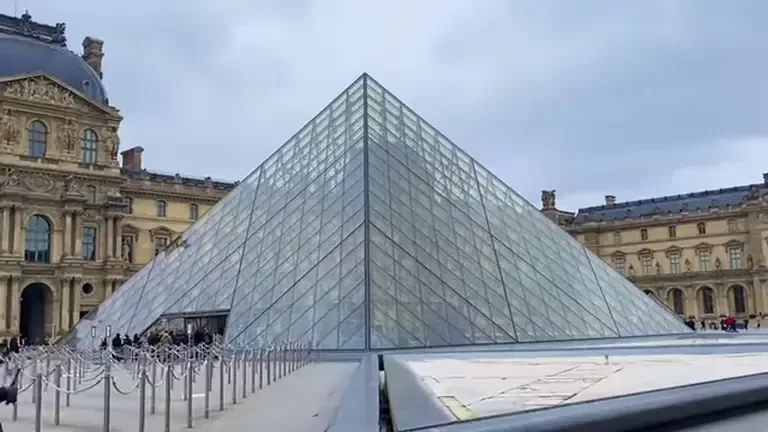
Day one needs one strong cluster

Paris is easier to absorb on day one through one strong area cluster — river, Left Bank, and a nearby museum — not through a full-city sprint.

What not to force into it

Do not force the Louvre, Montmartre, the Eiffel Tower, and a far-away dinner into the same first day.

How to factor in flight and check-in

After the flight and check-in, even a beautiful plan slows down, so the first day must stay gentle on your energy.

Where time buffer matters

Time buffer matters most between the first walk, the first museum, and the first dinner so the day does not collapse from one delay.

How to choose the pace

A good day-one pace lets you do more than tick boxes; it gives you enough slack to actually see the city.

What to do with food and breaks

Paris opens up more fully when the first day includes a real café pause rather than only moving between checkpoints.

When to change the plan on the fly

If fatigue hits, it is better to leave one beautiful stop for tomorrow than to force it today out of stubbornness.

How to end the day well

End the day with water, dinner, or a view instead of trying to insert one more major museum.

What a good first day gives you

A calm first day sets the right stride for the whole trip and helps you notice where the city feels best to you.

Common mistake

The common mistake is treating day one like a productivity test instead of a soft introduction.

Fast rule

One neighborhood cluster, one cultural anchor at most, and enough energy left for the evening is plenty.

Bottom line

The first Paris day should build appetite for the trip, not the feeling that you are already behind schedule.