7th Arrondissement (Eiffel Tower)4/4
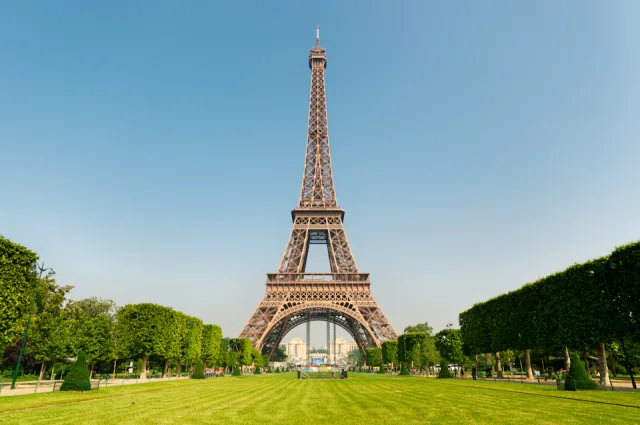
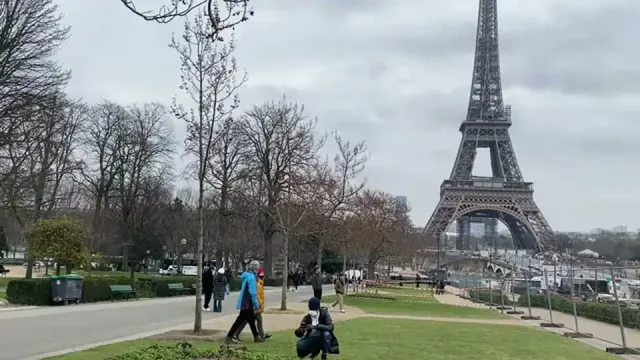
The 7th arrondissement is the grand, composed side of Paris, shaped by the Eiffel Tower, Champ de Mars, the Seine and major museums. It suits first-time visitors, families and travellers who value monuments, generous views, green spaces and easy central walks over nightlife. Its main trick is the rapid change of mood: the streets around the Eiffel Tower can be crowded and intensely touristy, while a few turns away, elegant residential quarters feel quiet, private and almost intimate.
7th Arrondissement (Eiffel Tower) is easier to recommend when you want a clear first-trip base.
1st Arrondissement (Louvre — Tuileries)4/4
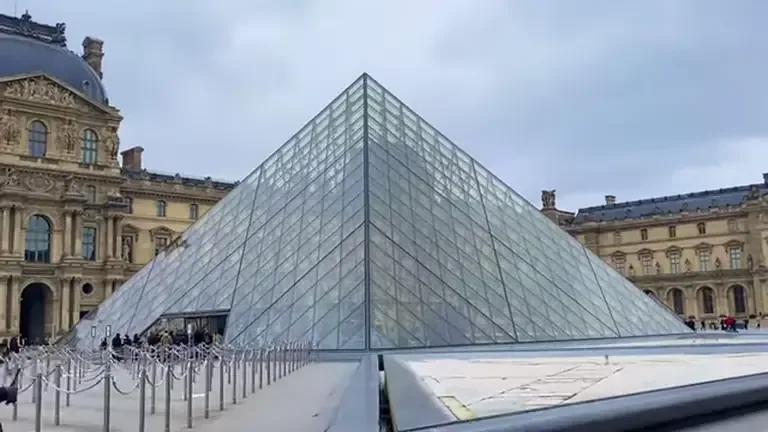
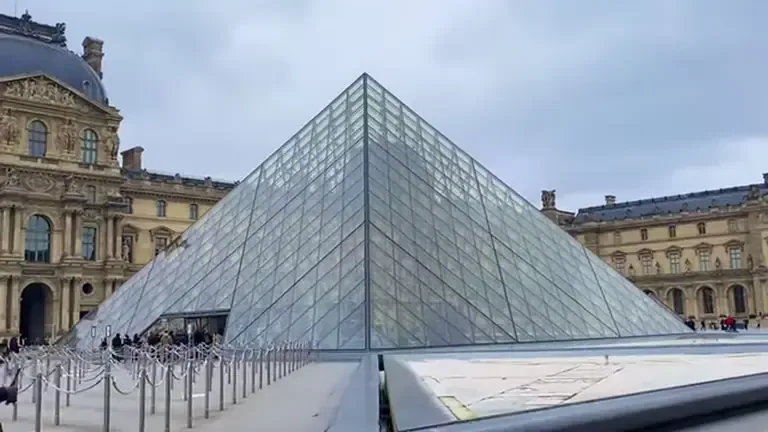
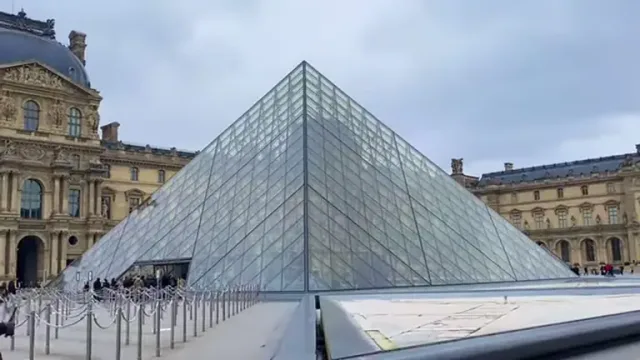
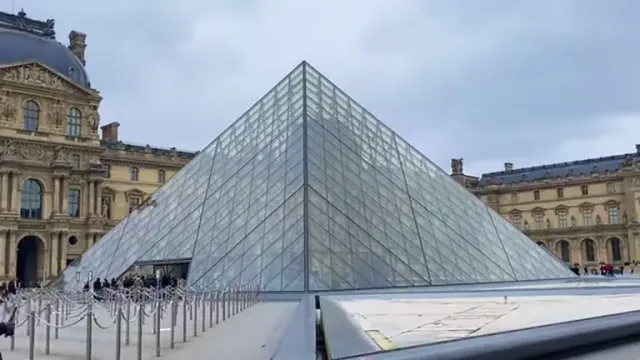
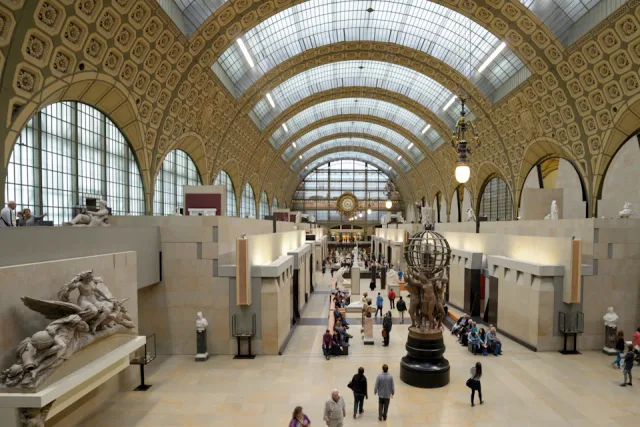
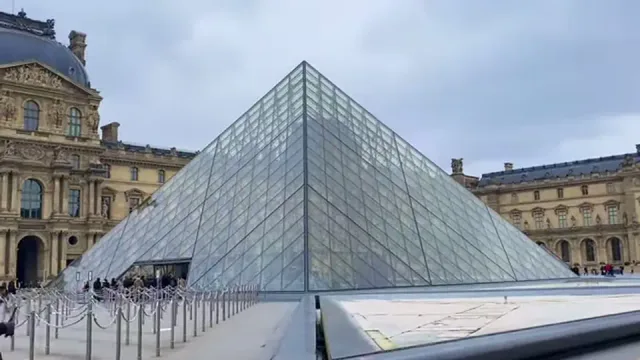
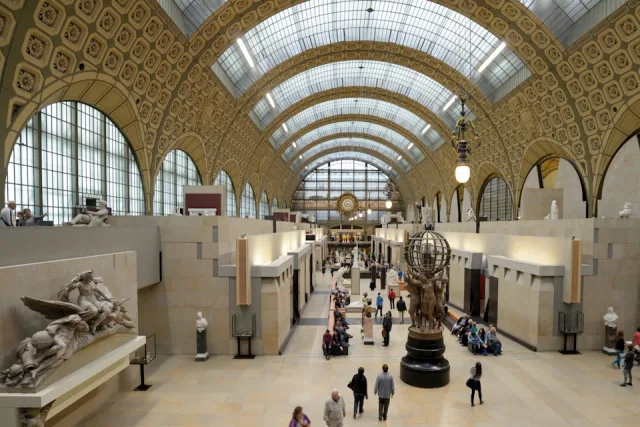
The 1st arrondissement is Paris in its grand, museum-led form: the Louvre, the Tuileries Garden, the Seine embankments, monumental squares and elegant shopfronts all sit within easy walking distance. It suits first-time visitors, culture-focused weekends and anyone who wants to build each day around architecture, museums and long promenades rather than public transport. Its main trick is timing: step away from the busiest routes, return early in the morning or near evening, and the ceremonial centre becomes surprisingly calm.
1st Arrondissement (Louvre — Tuileries) is easier to recommend when you want a clear first-trip base.
8th Arrondissement (Champs-Élysées)3/4
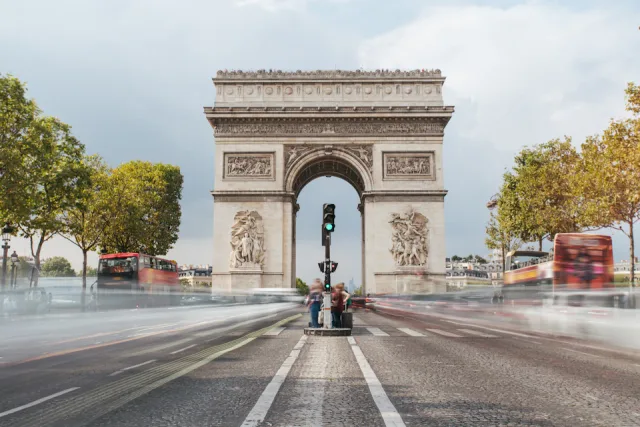
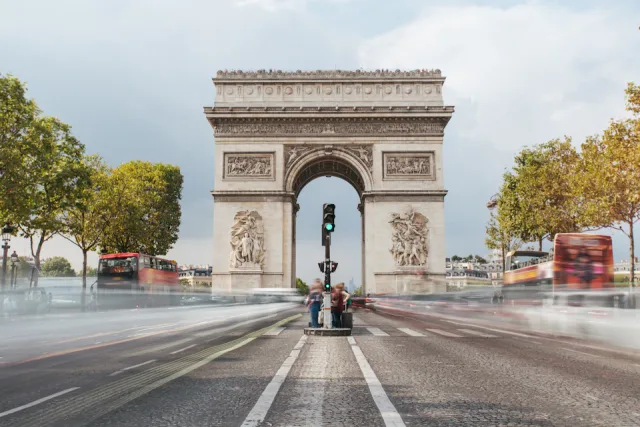
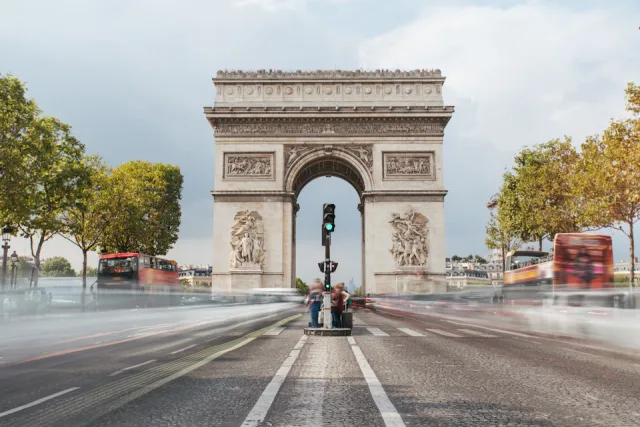
Paris’s 8th arrondissement is the city in its formal, high-gloss mode: Champs-Élysées, Arc de Triomphe, grand hotels, flagship boutiques, office addresses, and quieter pockets near Faubourg Saint-Honoré and Parc Monceau. It suits travelers who want to stay very central, walk a lot, and treat the price of the postcode as part of the deal. Its main trick is contrast: behind the tourist frontage, the district often works like a polished, highly convenient everyday neighborhood with a distinctly businesslike rhythm.
8th Arrondissement (Champs-Élysées) is easier to recommend when you want a clear first-trip base.
4th Arrondissement (Beaubourg — Île de la Cité)3/4
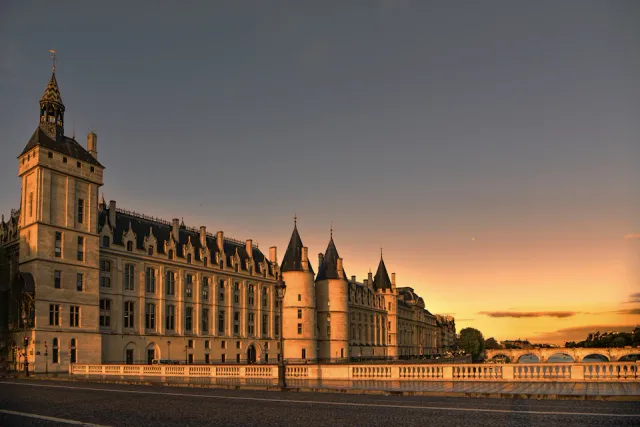
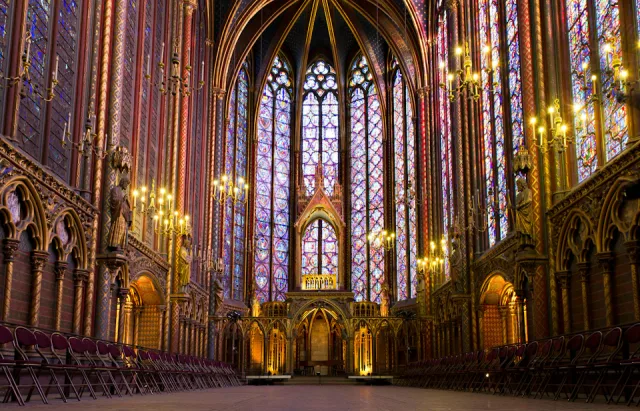
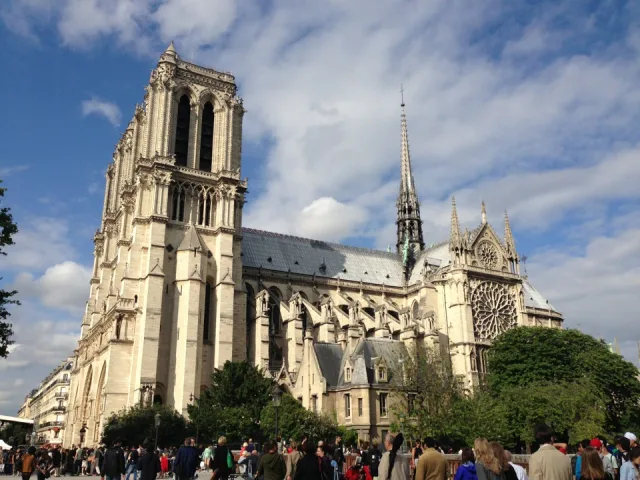
Île de la Cité is the most historic address in Paris: a small island in the middle of the Seine where the city began, framed by bridges, quays, old stone facades, and the silhouette of Notre-Dame. It suits travelers who want to stay in the literal center, walk almost everywhere, and spend their days inside Paris at its most formal and recognizable. Its real trick is simple and rare: you are not just near the historic core, but sleeping inside it, with water and headline views on all sides.
4th Arrondissement (Beaubourg — Île de la Cité) is easier to recommend when you want a clear first-trip base.
Montmartre3/4
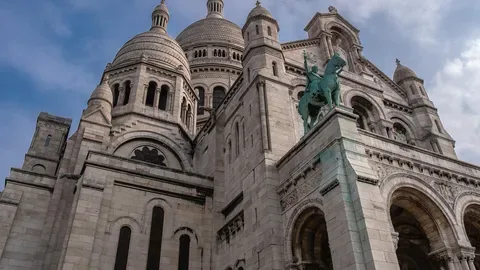
Montmartre is a hilltop neighbourhood in northern Paris, shaped by steep streets, staircases, old façades and sudden city views. It suits travellers who enjoy atmospheric walks, a strong local character and the freedom to wander beyond the main sights, rather than flat streets or a polished urban rhythm. Around the Sacré-Cœur, expect crowds and constant movement; a few turns away, the pace slows. Its main trick is making you feel as if you have left the metropolis for a village.
Montmartre is easier to recommend when you want a clear first-trip base.
Versailles3/4
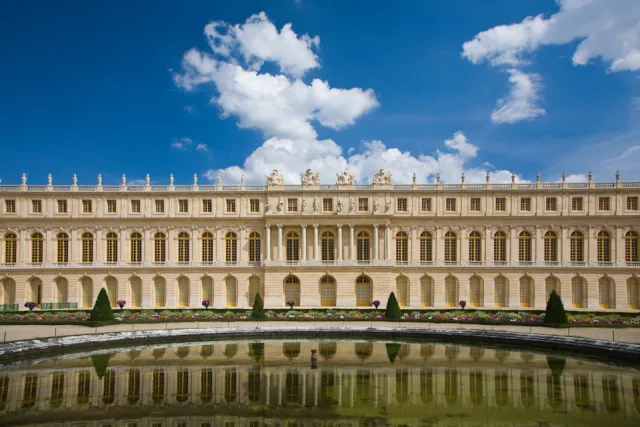
Versailles is an independent suburb southwest of Paris, shaped by the Palace of Versailles, formal gardens and a calm residential rhythm. It suits travellers who value space, greenery and history, especially families and those planning a slower stay. Its main advantage is the balance: you can live in a polished, quieter city with markets, squares and local life, while still making practical trips into Paris for museums, restaurants and the capital’s busier streets.
Versailles is easier to recommend when you want a clear first-trip base.