Why season changes more than clothes
In Paris, season changes more than clothes: it changes light, queue length, hotel pricing, and how pleasant long walking days really feel.
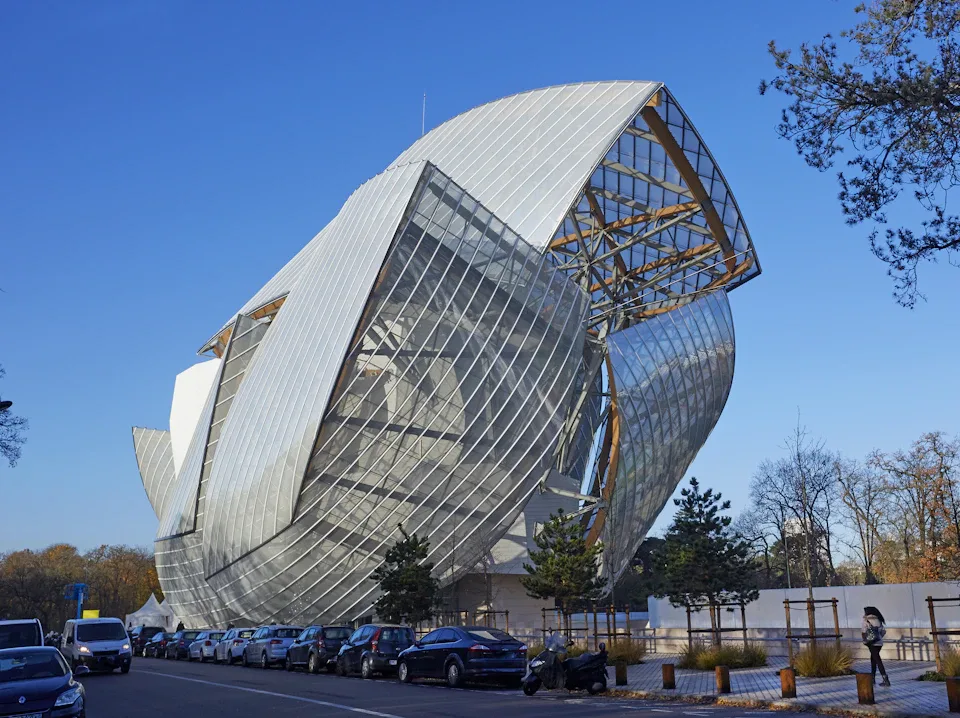
Softest period for a first trip
Late spring and early autumn are usually the easiest first-trip windows: lively city energy without the heaviest weather and crowd friction.
When the city is beautiful but physically harder
Summer is beautiful in light and mood, but major zones become harder because of lines, heat, and pricing pressure.
What winter changes
Winter can be very rewarding if the trip leans into museums, cafés, and shorter walks rather than forcing endless outdoor mileage.
How season affects areas and logistics
Season even changes area choice: in summer you may care more about evening exits, while in winter connected streets and indoor access matter more.
When indoor planning matters most
In colder or wetter periods, museums, passages, strong cafés, and routes with less exposure gain real strategic value.
How to think about prices and crowds
Season comfort in Paris is a mix of light, hotel price, tourist density, and how willing you are to queue for the big sights.
What to do if the dates are fixed
If the dates are fixed, adapt the day format to the season instead of trying to replay someone else's ideal postcard trip.
How season changes the ideal trip length
The harder the season feels physically, the more important it is to shorten routes and add real pauses for warmth, food, and recovery.
Common mistake
The common mistake is looking only at average temperatures and ignoring lines, rain, wind, and hotel price pressure.
Fast rule
Spring and early autumn are the safest defaults. Summer and winter simply demand smarter route design.
Bottom line
The best Paris season is the one you pace correctly, not the one that looks prettiest in a highlight reel.