Welchen Eintritt wählen
Für die meisten Erstbesucher reicht das normale Zeitfenster-Ticket für 22 EUR. Es umfasst die ständigen Sammlungen und die meisten Wechselausstellungen; wer gezielt durch die Hauptwerke gehen will, ergänzt bei Bedarf den Audioguide für 5 EUR.
Mehr zu zahlen lohnt sich nur, wenn echte Zusatzleistung dabei ist: eine gute Führung, eine kleine Gruppe, ein klarer Rundgang durch die wichtigsten Säle oder ein Kombiticket, das ohnehin geplante Bausteine bündelt. Ein als „Fast Track“ beworbenes Ticket ist kein Freibrief an der Sicherheitskontrolle vorbei; alle Besucher passieren die Kontrolle.
- Normales Ticket: beste Wahl für selbstständige Besucher mit 3–4 Stunden Zeit.
- Ticket plus Audioguide: sinnvoll, wenn Sie ohne Guide Kontext zu Werken und Sälen möchten.
- Geführte Tour: sinnvoll beim ersten Besuch, bei wenig Zeit oder wenn Sie nicht selbst navigieren möchten.
- Paris Museum Pass: lohnt sich, wenn Sie mindestens drei große Museen oder Monumente in kurzer Zeit besuchen.
Wichtig: Der häufigste Fehler ist, ein teures „Skip-the-line“-Angebot zu kaufen und zu erwarten, dass damit jede Warteschlange verschwindet. Entscheidend ist ein reserviertes Zeitfenster; die Sicherheitskontrolle bleibt trotzdem.
Wann man am besten geht
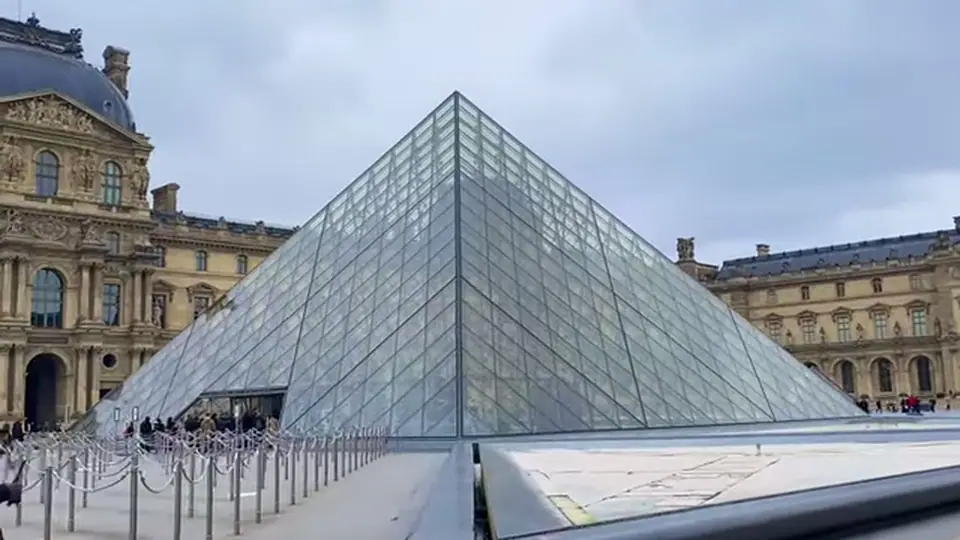
Der Louvre ist mittags und am frühen Nachmittag am vollsten, besonders rund um die Pyramide, die „Mona Lisa“, die Venus de Milo und die Nike von Samothrake. Ruhiger wird es mittwochs und freitags nach 18:00, wenn das Museum bis 21:45 geöffnet ist; dann ist der Besuch konzentrierter und angenehmer, auch wenn einzelne Räume weiterhin gut besucht sind.
Morgens um 09:00 ist der Start effizient, wenn Sie direkt zu den Hauptwerken gehen. Der Abend ist besser für Atmosphäre, ruhigere Fotos in den Höfen und einen entspannteren Rundgang durch weniger prominente Abteilungen; der Preis des normalen Tickets bleibt gleich.
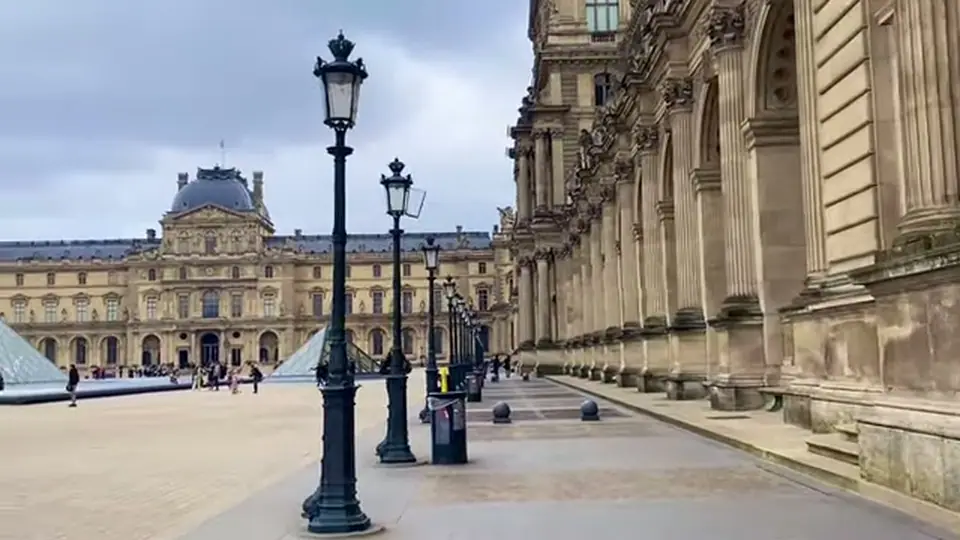
Für Alleinreisende ist der Abendtermin am stärksten. Familien fahren mit einem frühen Zeitfenster besser, weil Kinder noch frischer sind und Pausen leichter planbar bleiben. Wer fotografieren will, sollte den späten Nachmittag und Abend wählen, besonders für die Pyramide, die Cour Napoléon und die großen Treppenräume.
Kombis und Ermäßigungen
Echte Sparlogik gibt es vor allem über den Paris Museum Pass: Er ist sinnvoll, wenn neben dem Louvre auch Orte wie Musée d’Orsay, Arc de Triomphe, Sainte-Chapelle, Panthéon oder Centre Pompidou auf dem Plan stehen. Für den Louvre braucht man auch mit Pass ein eigenes Zeitfenster; der Pass ersetzt den Eintritt, nicht die Besuchsplanung.
Kombitickets mit Seine-Bootsfahrt sind auf großen Plattformen wie GetYourGuide, Tiqets, Headout und Klook verbreitet. Sie lohnen sich, wenn Sie die Bootsfahrt ohnehin machen möchten und einen einzigen Buchungsvorgang bevorzugen; sie sind nicht automatisch günstiger als separat gekaufte Einzeltickets.
Freier Eintritt gilt für Besucher unter 18 Jahren sowie für 18- bis 25-jährige Einwohner des Europäischen Wirtschaftsraums mit gültigem Nachweis. Zusätzlich gibt es freien Eintritt am ersten Freitag des Monats ab 18:00, ausgenommen in der Hochsaison im Sommer; auch dafür ist ein Zeitfenster die richtige Wahl.
Tipp: Das normale Louvre-Ticket umfasst auch den Zugang zum Musée National Eugène-Delacroix am selben Tag und am Folgetag. Das ist ein guter Zusatzwert, wenn Sie in Saint-Germain-des-Prés unterwegs sind.
Wann sich eine Tour lohnt
Eine Führung lohnt sich im Louvre besonders beim ersten Besuch. Der Mehrwert liegt nicht nur in Erklärungen zur „Mona Lisa“, sondern in der Wegführung: Ein guter Guide verhindert, dass Sie sich in den 72.735 m² Ausstellungsfläche verlieren, und verbindet Palastgeschichte, Antike, Renaissance und französische Malerei zu einem verständlichen Rundgang.
Nehmen Sie eine Tour, wenn Sie nur 2–3 Stunden haben, mit Kindern oder Eltern reisen, wenig Kunstvorwissen mitbringen oder die Hauptwerke ohne Orientierungsstress sehen möchten. Für Kunstinteressierte ist eine thematische Führung zu Ägypten, Antike oder italienischer Malerei besser als ein allgemeiner Schnelldurchlauf.
Ein selbstständiger Besuch reicht, wenn Sie gerne in Ihrem eigenen Tempo gehen, nur 2–3 Abteilungen auswählen und mit Audioguide oder App arbeiten. Planen Sie dann nicht „alles“, sondern eine klare Route: Richelieu für Skulptur und Palasträume, Denon für „Mona Lisa“ und italienische Malerei, Sully für Ägypten und die mittelalterlichen Fundamente.