Für wen es perfekt ist
Palais Garnier
VerdictPalais Garnier

Palais Garnier
1,5 Stunden
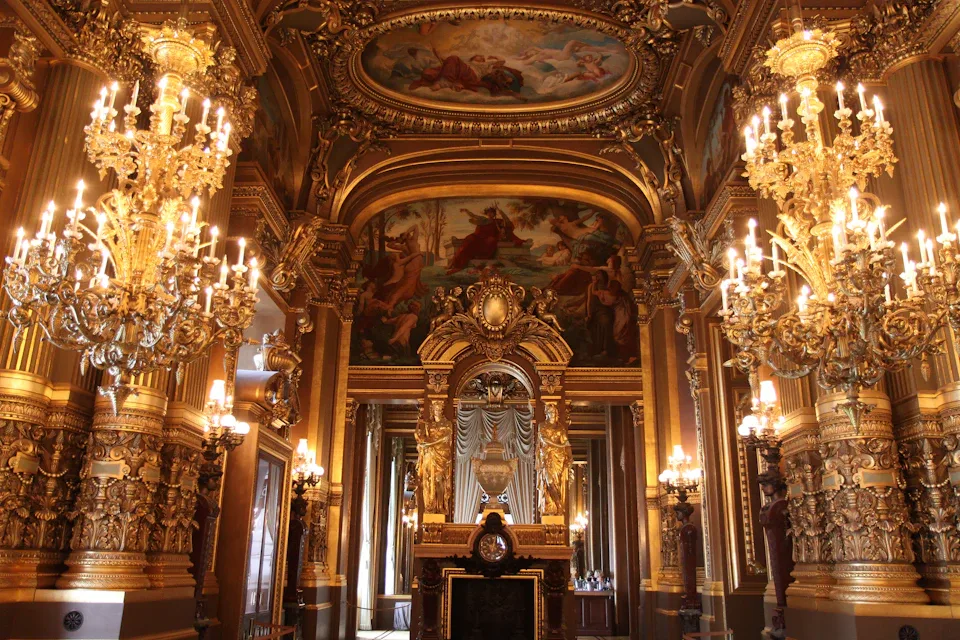
Das Palais Garnier ist weniger ein klassisches Museum als vielmehr ein monumentales Zeugnis des Pariser Prunkstils des 19. Jahrhunderts. Besucher kommen primär für die Architektur der Grand Escalier und des Grand Foyer, was dazu führt, dass es in den Haupträumen oft sehr lebhaft zugeht.
Wer eine andächtige Theaterstille erwartet, wird enttäuscht; für ein authentisches Gefühl der Weite und bessere Fotomöglichkeiten ist der erste Einlass-Slot um 10:00 Uhr die einzige verlässliche Option.
Besonders lohnenswert ist der Besuch für Reisende mit einem Auge für opulente Details und historische Handwerkskunst.
Wer jedoch nur wegen des berühmten Zuschauerraums und des Chagall-Deckenbildes kommt, geht ein Risiko ein: Da der Theaterbetrieb Vorrang hat, bleibt der Saal während der Proben oft geschlossen oder ist nur eingeschränkt einsehbar.
Wer Flexibilität schätzt und die Massen umgehen möchte, sollte gezielt nach Abendführungen nach der Schließung suchen, auch wenn diese preislich deutlich höher liegen.
Wichtiger Hinweis: Der Zugang zum Zuschauerraum ist nie garantiert, da der Theaterbetrieb und Proben Vorrang haben.
Für die meisten Besucher ist das Standard-Ticket für die selbstgeführte Besichtigung die richtige Wahl. Es gewährt Zugang zu den prunkvollsten Bereichen wie dem Grand Escalier, dem Grand Foyer und – sofern keine Proben stattfinden – dem Zuschauerraum mit dem berühmten Chagall-Deckenmälde.
Wer tiefer in die Architektur eintauchen möchte, sollte vor Ort den Multimedia-Guide (verfügbar auf Tablets) für etwa 7 EUR dazubuchen.
Ein häufiger Fehler ist die Annahme, man könne die prachtvolle Treppe oder die Vorhalle kurz kostenlos besichtigen. Der Zugang zum gesamten historischen Gebäude ist strikt kostenpflichtig, und ohne Vorab-Buchung verbringen Sie oft mehr Zeit in der Warteschlange als im prunkvollen Foyer.
Die Palais Garnier ist eine der meistbesuchten Sehenswürdigkeiten im 9. Arrondissement. Um die Pracht ohne Menschenmassen zu erleben, sollten Sie direkt zur Öffnung um 10:00 Uhr vor Ort sein. In der ersten Stunde nach der Eröffnung ist die Atmosphäre deutlich ruhiger, was besonders für Fotos der Treppenhäuser entscheidend ist.
Zwischen 13:00 und 16:00 Uhr erreichen die Besucherzahlen ihren Höhepunkt, da dann viele Reisegruppen eintreffen. Für Fotografen bietet das späte Licht am Nachmittag zwar schöne Reflexionen im Gold der Foyers, doch die Enge macht das Fotografieren schwierig.
Ein wichtiger Hinweis: Der Zuschauerraum ist oft wegen Proben für Besucher gesperrt; wer diesen unbedingt sehen möchte, sollte Besuche am Vormittag bevorzugen, da Proben häufig erst gegen Mittag beginnen.
Das Palais Garnier ist in vielen gängigen Pässen wie dem Paris Pass oder dem Go City Explorer Pass enthalten, was den Einzeleintritt spart. Es gibt zudem oft attraktive Kombi-Tickets, die den Besuch der Oper mit einer Bootsfahrt auf der Seine oder dem Eintritt in das nahegelegene Musée d'Orsay verbinden.
Ermäßigungen gelten für Jugendliche zwischen 12 und 25 Jahren. Kinder unter 12 Jahren erhalten in der Regel freien Eintritt, benötigen aber dennoch ein (kostenloses) Ticket. Wenn Sie am selben Tag ein Ticket für eine Aufführung in der Opéra Bastille besitzen, gibt es manchmal reduzierte Tarife für die Besichtigung des Palais Garnier.
Rat: Nutzen Sie die Metro-Station Opéra (Linien 3, 7, 8) für die direkte Anreise. Das Gebäude liegt zentral und lässt sich perfekt mit einem Einkaufsbummel in den Galeries Lafayette kombinieren.
Eine geführte Tour ist dann sinnvoll, wenn Sie sich für die technischen Aspekte der Bühne und die Legenden hinter dem Gebäude interessieren, wie etwa die Geschichte um das „Phantom der Oper“. Guides haben oft Zugang zu Informationen, die auf den Infotafeln fehlen, und können Details zur aufwendigen Restaurierung erläutern.
Wer jedoch primär für die Ästhetik kommt und beeindruckende Fotos machen möchte, ist mit einer selbstgeführten Tour besser bedient. Man ist flexibler und kann an den optisch reizvollen Punkten wie dem Balkon mit Blick auf die Avenue de l’Opéra so lange verweilen, wie man möchte, ohne der Gruppe folgen zu müssen.
Mini-Rechner basierend auf Überfüllungsleveln nach Tag und Uhrzeit.
Mini-Rechner basierend auf Überfüllungsleveln nach Tag und Uhrzeit.
Dieser Tag ist normalerweise merklich geschäftig. Dieser Slot hat eine höhere Chance auf einen angenehmen Besuch: weniger Menschen und ruhigeres Tempo.
Der Zugang für touristische Besichtigungen befindet sich nicht an der großen Fassade zum Platz hin, sondern an der Seite des Gebäudes, an der Ecke Rue Scribe und Rue Auber. Sobald Sie das Gebäude erreichen, steuern Sie direkt auf den markierten Besuchereingang zu, wo zunächst eine Sicherheitskontrolle stattfindet.
Da das Palais Garnier eines der meistbesuchten Denkmäler der Stadt ist, bildet sich hier oft die erste Warteschlange.
Um unnötigen Zeitverlust zu vermeiden, sollten Sie Ihr Ticket bereits digital auf dem Smartphone bereitstellen. Wer ohne Reservierung erscheint, verliert oft wertvolle Zeit am Kassenbereich, da die Kapazitäten für den Einlass begrenzt sind.
Im Inneren führt der Weg über die monumentale Treppe nach oben, wobei sich der Besucherstrom in den engen Durchgängen zum Zuschauerraum stauen kann.
Wichtig: Ein Besuch ohne vorab gebuchtes Zeitfenster führt an belebten Tagen oft dazu, dass man am Eingang abgewiesen wird oder sehr lange warten muss, bis ein neuer Einlass-Slot frei wird.
Das Palais Garnier ist ein aktives Opernhaus, kein reines Museum. Der wichtigste Punkt für die Planung: Der Eingang für Besichtigungen befindet sich nicht an der prunkvollen Hauptfassade, sondern an der Ecke Rue Scribe und Rue Auber.
Da die Warteschlangen vor Ort oft lang sind, ist ein vorab gebuchtes Ticket mit festem Zeitfenster für 10 EUR bis 25 EUR unerlässlich, um den Einlass zu garantieren.
Planen Sie ausreichend Zeit für die Sicherheitskontrolle ein und stellen Sie sich darauf ein, dass es in den Prunkräumen, besonders auf der Grand Escalier und im Grand Foyer, sehr voll werden kann.
Ein entscheidender Faktor für das Erlebnis: Der Zugang zum Zuschauerraum mit der berühmten Chagall-Decke kann jederzeit aufgrund von Proben oder technischen Arbeiten kurzfristig eingeschränkt sein. Wer die Architektur ohne Hektik genießen möchte, sollte den Besuch direkt zur Öffnung am Vormittag planen.
Es gibt für Besucher der Tagesbesichtigungen keine Garderobe und keine Schließfächer. Das bedeutet, dass Sie alles, was Sie mitbringen, während des gesamten Rundgangs selbst tragen müssen. Da der Sicherheitsdienst Taschen, die größer als das Handgepäckformat (ca.
55x35x20 cm) sind, konsequent abweist, sollten Sie sperrige Gegenstände vorab in einer externen Gepäckaufbewahrung unterbringen.
Kinderwagen sind grundsätzlich erlaubt, müssen jedoch aufgrund der historischen Bausubstanz oft über Aufzüge umgeleitet werden; ein kompakter Buggy oder eine Trage ist hier deutlich praktischer.
Rat: Tragen Sie bequeme Schuhe. Auch wenn das Ambiente zu eleganter Kleidung einlädt, legen Sie bei der Besichtigung der verschiedenen Ebenen und weitläufigen Foyers erhebliche Strecken auf harten Marmorböden zurück.
Beginnen Sie den Vormittag mit einer Besichtigung des Palais Garnier, bevor Sie für ein exklusives Gebäck bei Cédric Grolet Opéra vorbeischauen. Danach schlendern Sie durch die Galeries Lafayette zur Dachterrasse für den Weitblick und beenden den Tag mit einem klassischen Abendessen im lebhaften Bouillon Chartier.
Hinweis: Besuchen Sie die Dachterrasse der Galeries Lafayette kurz vor der Dämmerung, um den Eiffelturm in der Ferne glitzern zu sehen, bevor die Kaufhäuser schließen.
Das Palais Garnier entstand als glanzvolles Zentrum der Pariser Stadtentwicklung unter Napoleon III. Der Architekt Charles Garnier entwarf ein Bauwerk, das den gesellschaftlichen Aufstieg des Bürgertums zelebrierte.
Es war als Ort konzipiert, an dem die Architektur selbst zur Aufführung wurde – die prunkvollen Treppenaufgänge und Foyers dienten dazu, den Reichtum und den Status der Besucher wirkungsvoll in Szene zu setzen.
Heute repräsentiert das Gebäude den Inbegriff des Pariser Luxus und der Beaux-Arts-Architektur. Besonders eindrucksvoll ist die Kombination aus historischer Vergoldung und dem modernen Deckengemälde von Marc Chagall im Hauptsaal.
Dieser Kontrast macht das Haus zu einem zeitlosen Denkmal, das die Brücke zwischen der kaiserlichen Vergangenheit und der künstlerischen Moderne schlägt.
Während große Operninszenierungen heute oft in der modernen Opera Bastille stattfinden, bleibt das Palais Garnier die wichtigste Bühne für das renommierte Pariser Ballett. Für Reisende ist das Gebäude ein Muss, um das Lebensgefühl des 19. Jahrhunderts nachzuempfinden.
Da der Andrang groß ist, empfiehlt es sich, die Besichtigung als eigenständiges Erlebnis zu planen, um die Details der Innenausstattung ohne Zeitdruck zu würdigen.
Das Palais Garnier ist trotz seiner historischen Struktur für Besucher mit eingeschränkter Mobilität zugänglich. Der barrierefreie Zugang erfolgt über einen speziellen Eingang auf der linken Seite des Gebäudes (Ecke Rue Scribe und Rue Auber).
Moderne Aufzüge ermöglichen den Zugang zu den wichtigsten Bereichen, einschließlich des Grand Foyer und spezifischer Logen im Zuschauerraum. Rollstuhlgerechte Toiletten sind auf den zugänglichen Ebenen vorhanden.
Kinder unter 12 Jahren erhalten freien Eintritt für selbstgeführte Besichtigungen. Besucher unter 16 Jahren dürfen das Gebäude nur in Begleitung eines Erwachsenen betreten. Für Familien mit Kleinkindern gilt: Kinderwagen sind in den prunkvollen Sälen und im Zuschauerraum nicht gestattet.
Diese müssen an der kostenlosen Garderobe abgegeben werden. Aufgrund der vielen Treppen und der Weitläufigkeit des Gebäudes ist die Nutzung einer Babytrage für den Rundgang die komfortabelste Lösung.
Die Architektur ist geprägt von der monumentalen Ehrentreppe (Grand Escalier) und zahlreichen Marmorböden, die glatt sein können. Während Aufzüge für Rollstuhlfahrer reserviert sind, sollten andere Besucher mit eingeschränkter Mobilität die Distanzen und Stufen einplanen.
Bei Abendvorstellungen wird ein Mindestalter von 5 Jahren empfohlen, um das Erlebnis für alle Gäste angenehm zu gestalten.
Ausstattung vor Ort
Kostenlose Toiletten befinden sich im Erdgeschoss in der Nähe des Museumsshops sowie auf den oberen Etagen. Da das Gebäude historisch ist, sind die Kapazitäten begrenzt, was besonders in den Pausen oder bei hohem Besucheraufkommen zu Wartezeiten führen kann.
Das hauseigene Restaurant CoCo bietet ein gehobenes Ambiente mit einer eleganten Terrasse. Es ist auf moderne französische Küche spezialisiert und über einen separaten Eingang zugänglich. Ein einfaches, preiswertes Café direkt innerhalb des Besichtigungsweges gibt es nicht.
Die Boutique de l'Opéra am Ende des Rundgangs bietet eine große Auswahl an Fachliteratur, Musikaufnahmen, Postkarten und exklusiven Souvenirs, die oft einen Bezug zum Ballett und zur Architektur des Hauses haben.
Kostenloses WLAN ist in den öffentlichen Bereichen verfügbar, die Signalstärke kann jedoch hinter den massiven Steinmauern der Prunksäle schwanken. Trinkbrunnen sind im Inneren nicht vorhanden; die Mitnahme einer kleinen Wasserflasche in der Tasche ist erlaubt, der Verzehr in den historischen Sälen jedoch untersagt.
Wickeltische sind in den Haupttoiletten im Erdgeschoss integriert, spezielle Still- oder Gebetsräume gibt es nicht.
Eine Online-Reservierung ist dringend empfohlen, da Sie ohne festes Zeitfenster mit erheblichen Wartezeiten am Eingang rechnen müssen.",
Besuchen Sie die Oper direkt zur Eröffnung um 10:00 Uhr, um die prunkvolle Treppe und das Foyer vor den großen Besuchergruppen zu erleben.",
Nehmen Sie sich mindestens 90 Minuten Zeit, um die architektonischen Details und die opulente Goldverzierung der Säle ohne Eile zu betrachten.",
Die Anreise ist am einfachsten über die Metro-Station Opéra mit den Linien 3, 7 und 8 oder mit der S-Bahn RER A bis zur Station Auber.",
Ja, der Zugang zum Gebäude für eine eigenständige Tour kostet ab 15 EUR und umfasst die Grand Escalier sowie die prachtvollen Foyers."