Alice Wren
I trace Paris through stone, paint and ritual, linking medieval churches, museum rooms and today’s art spaces.
I moved to Paris in my late twenties after a short reporting trip turned into a year of repeat visits, then a lease in the 11th. What made me stay was not a postcard idea of the city, but the way history sits in daily life here: a morning market near Bastille, a Metro ride under layers of empire and revolution, an evening concert in a church that has outlasted both. I learned Paris by walking riverbanks, reading plaques, ducking into small museums on wet afternoons, and returning to the same streets until their stories stopped feeling monumental and started feeling lived in.
For this site, I focus on the parts of Paris where heritage and present-day culture meet. I cover museum collections from the Louvre and Musée d’Orsay to the quieter rhythm of Musée Carnavalet and the ateliers around Montparnasse. I write about religious architecture in places like Notre-Dame, Saint-Eustache, Saint-Sulpice and Sacré-Cœur, but I also pay attention to the neighborhoods around them: the Marais, Latin Quarter, Belleville, Canal Saint-Martin and the edges of the 19th. I note which Metro lines get you there easily, when a walk is worth more than a transfer, and where contemporary art spaces in the 13th or near Palais de Tokyo add useful context.
My reporting is practical as well as historical. I check ticket prices, concession rules, reservation systems and exhibition dates against official museum and monument sources, then verify them again before publication and after major seasonal changes. If a church or collection has restricted access because of restoration, services, strikes or security measures, I say so clearly. I cross-check architectural and historical claims with institutional materials, catalogues and on-site information rather than repeating familiar myths. When a guide includes partner links, I label them plainly, and I do not let commercial arrangements shape what I say about whether a place is worth your time.
I write for English-speaking readers who want more than a list of landmarks but do not want to feel shut out by local shorthand. Paris can be hard to read if you are navigating French cultural terms, church etiquette, timed-entry rules or the difference between a major retrospective and a small municipal museum with limited labels. I translate those details into clear decisions: what to book ahead, what you can leave flexible, which sites reward an early arrival, and how to connect a medieval nave, a Haussmann boulevard and a new exhibition into one coherent day. My aim is to help you understand the city as you move through it, not just tick it off.
Material by this author
3 items
Когда лучше ехать в Париж: сезон, погода и реальный комфорт поездки
Подробный сезонный гид по Парижу: не только температура, но и свет, толпы, цены и готовность города к длинным прогулкам.
Musée de Cluny
Музей Клюни расположен в особняке XV века, построенном над галло-римскими термами, и даёт редкое физическое ощущение связи с далёким прошлым Парижа. Бесспорный центр коллекции — «Дама с единорогом», цикл из шести загадочных фламандских гобеленов, выставленных в специальной полутёмной ротонде. Помимо текстиля, здесь витражи из Сент-Шапели и подлинные известняковые фигуры королей, «обезглавленные» во время Революции на фасаде Нотр-Дама. Это тихая и удобная альтернатива Лувру для тех, кто предпочитает цельные тематические собрания бесконечным галереям.
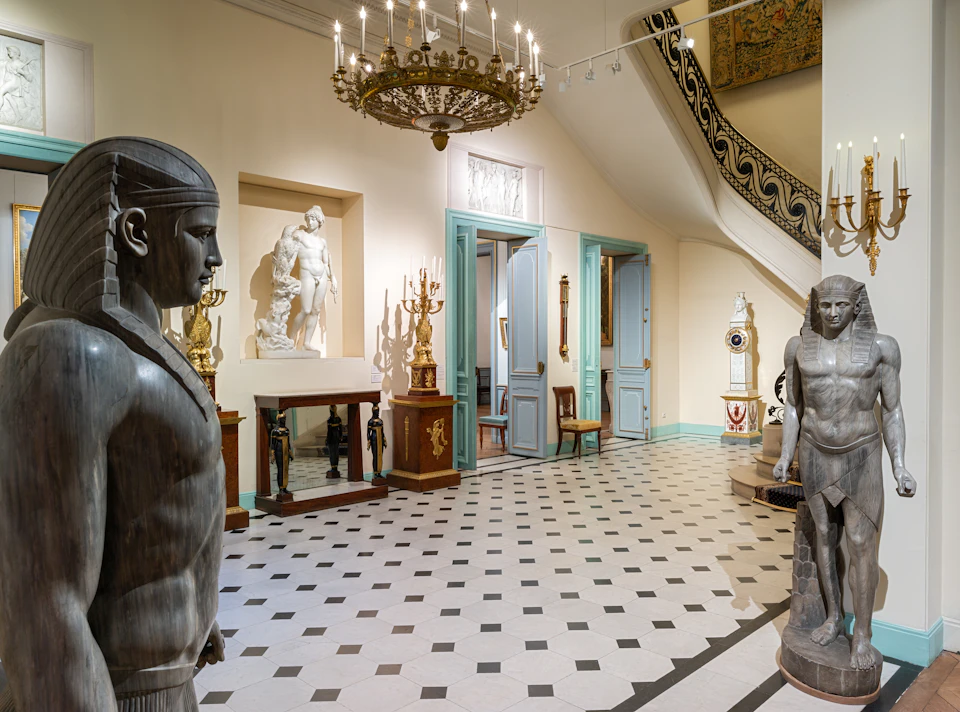
Musée Marmottan Monet
Музей Мармоттан-Моне в бывшем охотничьем домике у Булонского леса хранит крупнейшее в мире собрание картин Клода Моне, включая легендарный «Впечатление. Восход солнца». Это гораздо более спокойная альтернатива переполненным залам Орсе — идеальный вариант для тех, кто хочет смотреть живопись без толпы. Расплата — расположение в глубоком жилом западе Парижа, куда придётся ехать специально, сворачивая с центральных туристических маршрутов. Вас ждут знаменитые кувшинки и значительные работы Берты Моризо в прекрасно сохранившемся аристократическом особняке.