Bois de Boulogne
Bois de Boulogne is less a conventional Paris neighbourhood than a vast urban park on the city’s western edge. It suits runners, cyclists, families and anyone who values long walks, open space, lakes and a closer connection to nature than central Paris can offer. Its main trick is the sudden change of atmosphere: within minutes, dense city streets give way to a countryside-like setting, although everyday shops, cafés and services are less evenly distributed here.
Attractions in this area
1 place we cover here.
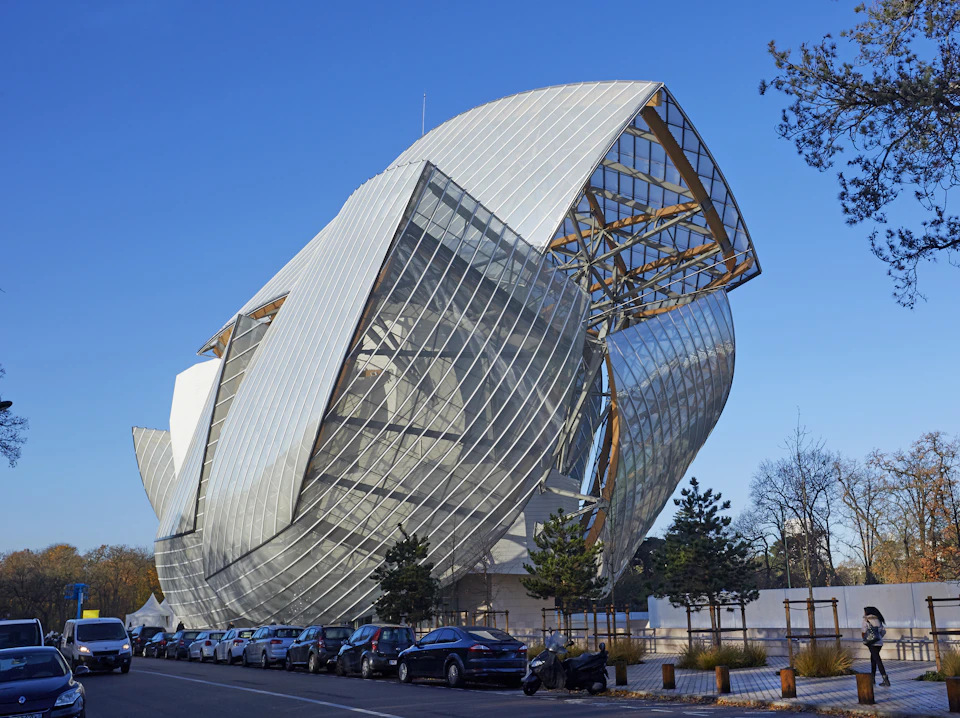
Bois de Boulogne feels less like a conventional Paris neighbourhood and more like a vast urban park woven into the western edge of the city. Trees, paths, lakes and open clearings replace the usual rhythm of façades, shopfronts and busy streets. The sense of space arrives quickly, especially once you move away from the surrounding roads.
Architecture appears mostly at the edges, while the interior is shaped by landscape rather than buildings. Routes unfold through wooded areas, beside the water and across broad green stretches, giving the park a distinctly suburban, almost countryside-like atmosphere without leaving Paris.
The pace is unhurried and outdoors-focused. People come here to run, cycle, walk, take children outside or simply spend a few quiet hours away from the city centre. It is a place for distance and fresh air rather than spontaneous errands or a packed programme of cafés and evening activities.
That contrast defines the area’s character. Bois de Boulogne offers an unusually strong connection with nature, but everyday life feels less compact and predictable than in central Paris. Plans matter more, distances feel longer, and the park becomes quieter as the day goes on.
Atmosphere
The Bois de Boulogne feels less like a conventional Paris neighbourhood than a vast landscape woven into the city. Architecture appears mainly at the edges, while inside, trees, lakes, open clearings and long paths shape the experience.
Street life is spread out rather than concentrated: runners, cyclists, walkers and families move through the park, with the atmosphere changing from busy routes to quieter stretches of greenery.
In the evening, the park becomes calmer and noticeably less urban. You hear footsteps, bicycle wheels, distant conversation and the sounds of the landscape more than traffic or busy terraces.
The people you are most likely to encounter are local runners finishing a circuit, cyclists, dog walkers and residents taking a quiet walk, while some paths can feel almost empty.
How to get there
Charles de Gaulle Airport | RER B to Châtelet–Les Halles, then Metro line 1 to Porte Maillot; about 50–65 minutes, €14. A taxi takes roughly 45–70 minutes and costs about €56 to Paris’s right bank. Orly Airport | Metro line 14 to Châtelet, then Metro line 1 to Porte Maillot; about 40–55 minutes, €14.
A taxi takes roughly 35–60 minutes and costs about €45 to Paris’s right bank. Central Paris, Châtelet–Les Halles | Metro line 1 towards La Défense, get off at Porte Maillot, then walk into the park; about 15–25 minutes, €2.55.
Louvre Museum | Walk to Palais Royal–Musée du Louvre or Châtelet and take Metro line 1 to Porte Maillot; about 20–30 minutes, €2.55. Eiffel Tower or Trocadéro | Take Metro line 6 to Charles de Gaulle–Étoile, then walk towards Porte Maillot or change to line 1; about 20–30 minutes, €2.55.
Getting around
Walking is the most natural way to explore the Bois de Boulogne, especially around the lakes and main paths, but distances are substantial and routes can feel indirect. The metro mainly serves the edges of the park rather than its interior, so reaching a specific spot often involves a longer walk or a bus connection.
Taxis and ride-hailing apps are practical for crossing the park or getting to a destination near its perimeter, particularly with children or sports equipment. Inside the park, however, pickup points can be less straightforward than on regular city streets, and a car is not always faster during busy periods.
Best time to visit
The best time to visit the Bois de Boulogne is in the morning, when the paths are quieter and temperatures are more comfortable for walking, running or cycling. Late afternoon can also work well, especially in spring and early autumn.
Avoid the peak of summer heat, particularly around midday, and expect busier paths and leisure areas on sunny weekends. In wet weather, the park feels less convenient and more exposed.
Top attractions in this area
Fondation Louis Vuitton | A striking contemporary art museum set among the trees, combining major exhibitions with distinctive modern architecture. Jardin d’Acclimatation | A family-friendly amusement park with rides, gardens and open space for a relaxed day outdoors.
Parc de Bagatelle | A landscaped garden known for its peaceful paths, ornamental planting and a slower, more secluded atmosphere. Lakes of the Bois de Boulogne | A scenic part of the park for walking, rowing and taking a break beside the water.
Roland-Garros Stadium | The famous tennis complex on the park’s edge, best known for hosting the French Open.
Where to stay
Accommodation around the Bois de Boulogne is less concentrated than in central Paris. The choice is usually between larger chain hotels and smaller boutique properties on the park’s edges, with fewer truly budget options inside or immediately around the green area.
Premium hotels are more likely to appeal to travellers looking for quiet surroundings, extra space and a resort-like atmosphere rather than a lively street scene.
When choosing where to stay, check the exact position carefully: being near the park does not always mean having cafés, shops and everyday services close by.
The area works best for guests who plan to walk, run, cycle or spend time outdoors, while those focused on sightseeing may prefer the better-connected eastern or southern edges. For a quieter stay, look for a property close to the park but within easy reach of public transport and local amenities.
Dining
The dining scene in the Bois de Boulogne is sparse and dispersed rather than concentrated along lively restaurant streets. Inside and around the park, the choice is mainly casual: cafés, snack points and simple restaurants suited to a break during a walk, with outdoor seating and seasonal opening hours common.
The format is practical rather than destination-focused, and options may be limited outside daytime, weekends and warmer months. Prices are usually moderate for a quick meal, though they can be higher in more scenic locations.
At the edges of the park, the offer becomes more varied, including polished casual dining and a small number of fine-dining venues. These places are better suited to a planned meal than a spontaneous stop, with evening service more common than inside the park itself and an above-average check for the area.
The Bois de Boulogne is not a food-court or nightlife destination, so it is worth planning ahead, especially for dinner and on quieter weekdays.
Shopping
Shopping is not a strong point of the Bois de Boulogne itself. Inside the park, you will find occasional kiosks, cafés and small visitor-oriented shops near attractions, but there is no real shopping street, traditional market or major shopping centre within the green zone.
For everyday purchases, boutiques and larger stores, residents usually rely on the surrounding neighbourhoods, particularly Auteuil and Passy. These areas offer a more practical retail environment, while the park itself is better suited to walking, sport and leisure than browsing shops.
Practical tips
Clothing | Wear comfortable shoes and bring a light extra layer: routes are long, and the park can feel cooler than the city streets
Money | Carry a card and a small amount of cash, but do not expect every stop inside or around the park to offer immediate access to shops and services
Queues | The park itself is usually about walking rather than queuing, but allow extra time for popular family attractions and busy weekend spots
Common mistake | Underestimating the distances: plan your route before setting out and avoid assuming that a café, shop or service will be just around the corner
Weather | Check the forecast before leaving, as rain, wind and heat can make a long walk or bike ride much less comfortable
Safety
During the day, the Bois de Boulogne is generally safe, especially on busy paths around the lakes and main recreational areas. The main risks are minor: pickpocketing in crowded spots, bicycle traffic and uneven or poorly marked paths. As in any large park, it is sensible to keep valuables out of sight and stay aware of your surroundings.
At night, the park becomes much quieter and more isolated, with limited lighting on many paths. It is better to avoid long walks alone after dark, particularly in remote sections, and to use well-trafficked routes or public transport instead.
Photo spots
Lac Inférieur | Early morning or late afternoon | Reflections on the water, wooded paths and small bridges
The Grande Cascade | After rain or in soft morning light | Water, rocks and dense greenery in a quieter corner of the park
The Longchamp Racecourse | Late afternoon | Wide open lawns, elegant grandstands and long perspectives
The paths around the upper lakes | Golden hour | Tree-lined routes, calm water and a country-park atmosphere close to Paris
Nearby neighborhoods
From the Bois de Boulogne, it is easy to continue towards Auteuil and Passy, two leafy parts of the 16th arrondissement with a more residential atmosphere. Porte Dauphine offers a direct route back into the city, while Neuilly-sur-Seine lies just beyond the western edge. Saint-Cloud is another natural extension for a longer outing.
Area pros
A quick escape from central Paris into a vast green landscape
Long walking, running and cycling routes through woods and open spaces
Lakes, tree-lined paths and quiet spots for a slower day outdoors
A good choice for families and anyone wanting a break from the city’s density
Area cons
Limited everyday infrastructure, with shops, cafés and services unevenly distributed
Long distances can make spontaneous errands inconvenient
Quiet and noticeably less lively in the evening than central Paris
Less suitable for those who want dense urban life, nightlife and cafés close to home
The park is much less enjoyable in bad weather