16th Arrondissement
The 16th arrondissement is a calm, polished part of Paris, defined by broad streets, elegant buildings and a more spacious everyday atmosphere than the central districts. It suits families, longer stays, remote workers and anyone who values quiet, comfort and easy access to local amenities. Its main trick is the feeling of a refined residential town: Passy and the Bois de Boulogne bring a slower, greener rhythm, while the Eiffel Tower, Trocadéro and central Paris remain conveniently close.
Attractions in this area
3 places we cover here.
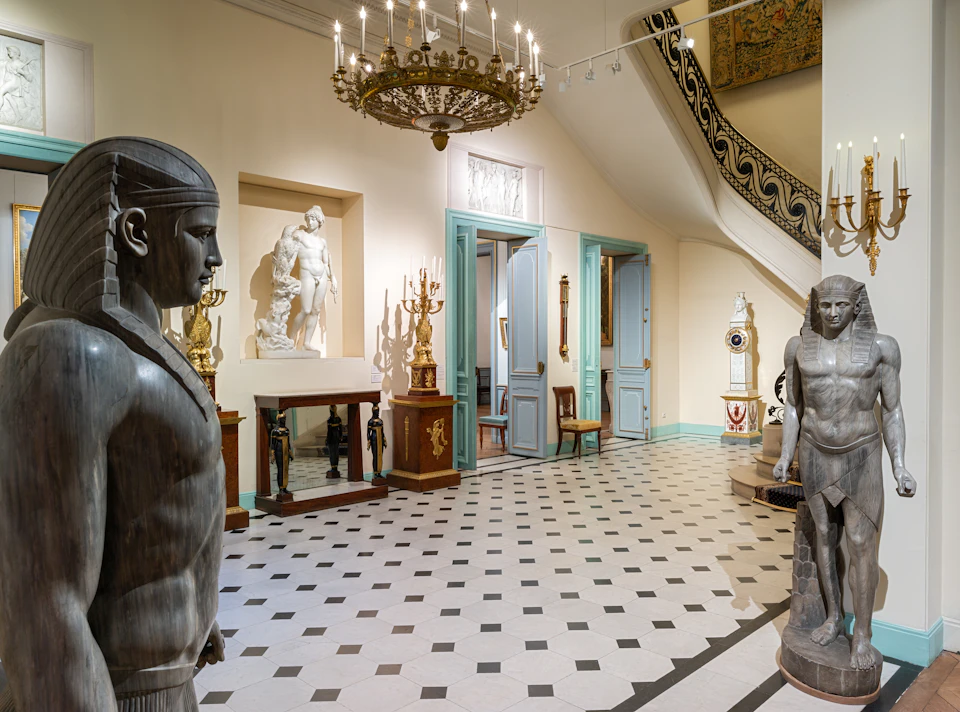
Located in a former hunting lodge in the residential 16th Arrondissement, Musée Marmottan Monet houses the world’s largest collection of Claude Monet’s works, i...
Palais de Tokyo functions as a raw, industrial laboratory for living artists rather than a traditional museum. Located in the 16th Arrondissement, this vast con...
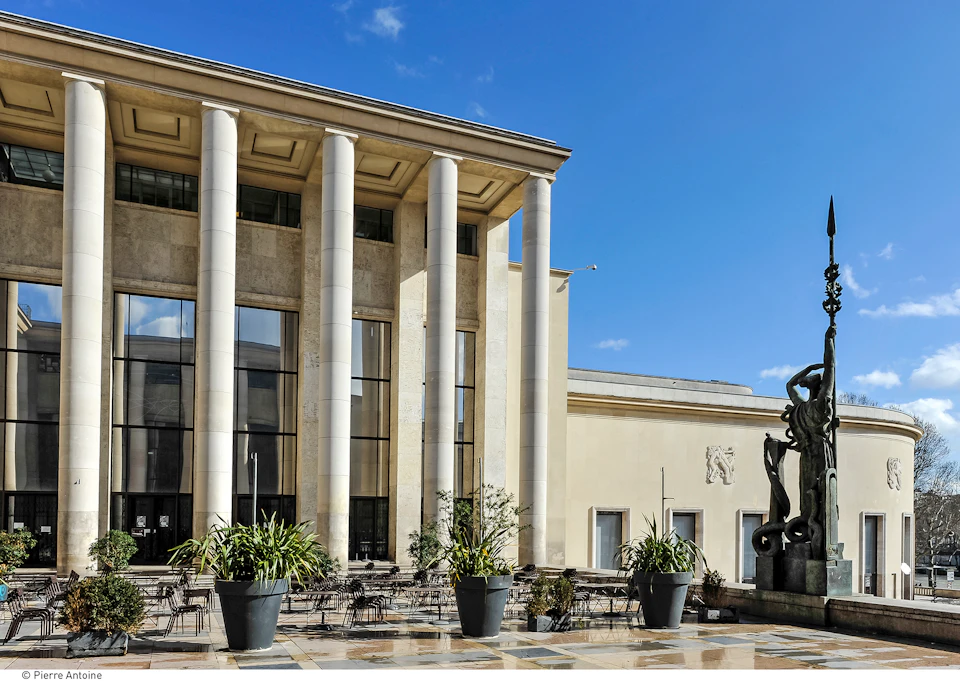
Located in the eastern wing of the Palais de Tokyo, the Musée d'Art Moderne de Paris offers a comprehensive look at 20th-century movements from Fauvism to conte...
The 16th arrondissement feels like a calm, composed version of Paris. Its streets are broad, its façades are well maintained, and there is noticeably more space between buildings than in the denser central districts.
The pace is steady rather than hurried: residents go about their routines in the morning, the neighbourhood stays quietly active during the day, and many streets settle down quickly in the evening.
The architecture is mostly elegant and restrained, with a polished residential character rather than dramatic contrasts. Around Passy, the atmosphere becomes more intimate and local, with quieter streets, small shops and pleasant routes for wandering without a specific destination.
The Bois de Boulogne gives the arrondissement an unusually open feel, while the generous avenues and landscaped spaces add to its sense of breathing room. At the same time, the Eiffel Tower and Trocadéro are close enough to keep the landmarks of central Paris within easy reach.
This is a neighbourhood for slow mornings, practical routines and evenings spent close to home. Its appeal lies less in constant stimulation than in the balance between a spacious, almost suburban rhythm and convenient access to the city’s most recognisable sights.
Atmosphere
The 16th arrondissement feels spacious, polished and deliberately residential. Broad avenues, elegant Haussmannian façades, discreet townhouses and quieter side streets create a composed backdrop, while Passy adds a more intimate village-like character with local shops, small courtyards and leafy lanes.
Street life is practical rather than theatrical: residents running errands, parents with children, office workers, older locals and visitors heading towards the Eiffel Tower or the Bois de Boulogne.
By evening, the pace drops quickly. The streets around Passy and the residential quarters grow quiet, with the sound of passing cars, footsteps, café conversations and the occasional Metro rumble replacing the bustle of central Paris.
You are more likely to encounter neighbours, families, dog walkers and people returning home than crowds moving between bars or attractions. The result is calm and comfortable, though it can feel reserved after dark.
How to get there
Paris-Charles de Gaulle Airport | RER B to Châtelet–Les Halles, then metro line 9 towards the 16th arrondissement; around 55–70 minutes, €14. A taxi takes roughly 45–75 minutes and costs €56 to Paris’s Right Bank.
Paris-Orly Airport | Metro line 14 towards central Paris, then change to line 9 or another connection depending on your destination; around 35–50 minutes, €14. A taxi takes roughly 30–50 minutes and costs €45 to Paris’s Right Bank.
Central Paris | Metro lines 6 and 9 are the most useful routes towards Passy, Trocadéro and La Muette; around 20–35 minutes, €2.55. The Eiffel Tower and Trocadéro | Walk across the Seine from the tower, or take metro line 6 or 9; around 10–20 minutes, from €2.55, or free on foot.
The Marais and other central sights | Take metro line 9 from Trocadéro, Passy or nearby stations; around 25–40 minutes, €2.55.
Getting around
Walking is pleasant in Passy and around the quieter residential streets, with wide pavements and relatively little tourist traffic. The 16th arrondissement is spread out, however, so getting from one end to another on foot can take time.
The metro is the most practical option for longer trips, especially towards the Eiffel Tower, Trocadéro and central Paris, though some parts of the arrondissement feel less immediately connected than the centre.
Taxis and taxi apps are useful when carrying luggage, travelling late or heading towards the Bois de Boulogne, where distances can feel greater and public transport is less convenient. They are also a comfortable alternative in bad weather, but traffic can slow journeys on the larger avenues.
Best time to visit
The 16th arrondissement is best explored in the morning, when Passy’s streets, local shops and cafés are at their most relaxed, or in the early evening before the neighbourhood settles down. Spring and early autumn offer the most comfortable conditions for walking, especially near the Bois de Boulogne.
In summer, avoid the hottest part of the afternoon, while weekends are pleasant for the parks but can feel quieter and less lively in residential streets.
Top attractions in this area
Eiffel Tower | Paris’s defining landmark, easily reached from the 16th arrondissement and especially striking from nearby viewpoints. Trocadéro | A broad terrace and cultural complex with some of the best open views towards the Eiffel Tower.
Palais de Chaillot | An imposing historic complex at Trocadéro, home to several museums and expansive terraces overlooking the Seine. Passy | A refined former village quarter with quiet streets, local shops and a more intimate side of Paris.
Bois de Boulogne | A vast western park offering lakes, woodland paths and a welcome sense of space away from the city centre.
Where to stay
Accommodation in the 16th arrondissement tends to be more spacious and polished than in many central districts.
You will find a mix of large international or French hotel chains, comfortable mid-range properties and smaller boutique hotels, especially around Trocadéro, Passy and the avenues leading towards the Bois de Boulogne.
The area is well suited to travellers who value quiet rooms, reliable service and a residential setting over being surrounded by restaurants and nightlife.
Budget options are less common than in some eastern or more central arrondissements, so it is worth comparing locations carefully rather than focusing only on the room rate. The premium segment is a natural fit here, with refined hotels, larger rooms and addresses close to the Eiffel Tower, Trocadéro or the park.
For a better balance of comfort and price, look slightly farther from the main landmarks and check the distance to the nearest Metro station, as the arrondissement is spacious and some streets become very quiet in the evening.
Dining
The 16th arrondissement’s dining scene is understated and neighborhood-focused rather than built around food courts or a dense restaurant circuit. Around Passy and the main shopping streets, expect French brasseries, bakeries, cafés, polished casual restaurants and international options suited to everyday meals.
Lunch is the liveliest period, while dinner starts relatively early and many kitchens close earlier than in the central arrondissements.
The average bill is usually moderate to high for Paris, with simple café meals and bakeries at the lower end, casual dining in the middle, and more formal restaurants priced accordingly.
Fine dining is present, especially in the more elegant parts of the arrondissement, but it is not the area’s defining feature. The overall format is calmer and more residential: weekday lunches, family dinners, coffee stops and comfortable sit-down meals rather than bar-hopping or late-night dining.
Reservations are more relevant for higher-end restaurants, while casual places may be easier to use spontaneously during the day.
Shopping
Shopping in the 16th arrondissement is centred on Rue de Passy, a pleasant local shopping street lined with fashion shops, beauty stores, homeware, cafés and everyday services. Passy Plaza adds a compact shopping-centre option, while the surrounding streets offer a more residential mix of boutiques and practical shops.
For fresh produce and a more local atmosphere, head to the Marché de Passy. Around Trocadéro and the Eiffel Tower, you will also find souvenir shops, though the selection is more tourist-oriented and less characteristic of the arrondissement.
Practical tips
Clothing | Wear comfortable shoes and bring a light extra layer for long walks, especially near the Bois de Boulogne
Money | Cards are widely accepted, but keep a small amount of cash for bakeries, markets and minor purchases
Queues | Allow extra time for the Eiffel Tower, Trocadéro and other major sights, particularly at busy times
Distances | Do not underestimate the size of the arrondissement; group nearby stops together or use public transport
Evenings | Check opening hours and plan dinner ahead, as many streets become quiet and local businesses close earlier than in central Paris
Safety
The 16th arrondissement is generally considered one of the calmer and safer parts of Paris, including during the day and in the evening. Its residential character, broad streets and low-key nightlife mean there is usually less street disorder than in busier central areas.
Around Trocadéro, the Eiffel Tower and major transport connections, the main concern is petty theft, especially pickpocketing and phone snatching in crowded places.
At night, the quieter streets can feel empty rather than unsafe. Keep normal city precautions: stay aware of your belongings, avoid leaving valuables visible and take extra care around busy stations and tourist spots.
The area is peaceful, but its size and limited late-night activity mean some parts may feel isolated once shops and local businesses have closed.
Photo spots
Trocadéro Gardens | Early morning or blue hour | Wide Eiffel Tower views framed by fountains, terraces and formal gardens
Avenue de Camoëns | Early morning | A quiet staircase and street perspective with the Eiffel Tower rising behind Parisian façades
Passy | Late morning or afternoon | Elegant streets, restrained architecture, small shops and glimpses towards the Eiffel Tower
Bois de Boulogne | Morning or late afternoon | Lakes, wooded paths and open landscapes that give the 16th arrondissement a semi-rural atmosphere
Nearby neighborhoods
From the 16th arrondissement, it is easy to continue towards Trocadéro and the Eiffel Tower, then cross into the 7th arrondissement for the Champ de Mars and Invalides.
Head south to the 15th for a quieter, residential side of Paris, or north towards the 17th and Batignolles for livelier cafés and a more local atmosphere. Neuilly-sur-Seine is another natural extension beyond the Bois de Boulogne.
Area pros
Quiet, spacious streets that feel removed from the bustle of central Paris
Easy access to the Eiffel Tower, Trocadéro and other major sights
The Passy quarter, with elegant streets, local shops and a neighbourhood atmosphere
Close to the Bois de Boulogne for walks, fresh air and open space
A comfortable setting for families, longer stays and everyday city life
Area cons
Limited nightlife and few spontaneous evening routes
Many streets become quiet early, which may feel isolating
Less density of small cafés, bars and tourist attractions than in central Paris
Long distances between some parts of the arrondissement can make walking tiring