11th Arrondissement
The 11th arrondissement is dense, energetic and distinctly everyday: a mix of former working streets, apartment buildings, old workshops, bars, cafés, small restaurants and live music venues. It suits travellers who want to stay close to the city’s social life, enjoy evenings out and have easy connections to other parts of Paris. Its main trick is the balance between the lively nightlife around the Bastille and Oberkampf and the ordinary residential streets where the city feels lived-in rather than staged.
Attractions in this area
1 place we cover here.
The 11th arrondissement is dense, energetic and unmistakably everyday Paris. It does not feel staged or polished for visitors: simple apartment buildings, former workshops and old working-class structures sit alongside bars, cafés, small restaurants and live music venues.
The neighbourhood is lived in openly, with much of its activity spilling onto pavements, terraces and busy street corners.
Its architecture is varied rather than elegant in a single, consistent way. Classic Parisian façades stand beside rougher buildings, quiet courtyards and traces of the area’s industrial past. Some streets feel residential and unremarkable, while others have an active ground floor and a constant flow of people.
The pace changes from block to block. Around Bastille and Oberkampf, evenings are loud, social and often late, with bars and venues keeping the streets busy. Further away, the atmosphere becomes more local and practical, though the arrondissement rarely feels completely quiet.
This is a good place to experience Paris as a working city rather than a collection of monuments. Its appeal lies in the contrast between ordinary residential life and one of the city’s strongest concentrations of nightlife, food and small-scale cultural activity.
Atmosphere
The 11th arrondissement has an uneven, lived-in architectural character: classic Parisian façades stand beside rougher buildings, former workshops and traces of its working-class and industrial past.
Quiet courtyards open behind busy streets, while active ground floors bring cafés, bars, small restaurants and local businesses directly onto the pavements. The area feels dense and practical rather than polished, with daily life unfolding in full view.
By evening, terraces fill up, conversations carry along the pavement and the streets around Bastille and Oberkampf become noticeably louder and more animated.
You are likely to pass groups heading to bars or concerts, friends meeting for dinner, local residents running errands and visitors drawn to the neighbourhood’s nightlife.
Away from the busiest streets, the mood settles into an ordinary residential rhythm, making the contrast between the district’s social energy and its everyday side part of its appeal.
How to get there
Charles de Gaulle Airport | RER B to Châtelet–Les Halles, then Metro line 1 to Bastille; about 45–60 minutes, €14. A Paris taxi to the 11th arrondissement takes roughly 45–70 minutes and costs €56 from the airport to Paris’s Right Bank.
Orly Airport | Metro line 14 to Châtelet, then Metro line 1 to Bastille; about 35–45 minutes, €14. A taxi takes roughly 30–50 minutes and costs €45 to Paris’s Right Bank.
Châtelet and the Louvre | Metro line 1 towards Château de Vincennes, getting off at Bastille or République depending on your destination; about 10–20 minutes, €2.55. Gare du Nord and Montmartre | Metro line 5 towards Place d’Italie, with direct stops at Oberkampf, République and Bastille; about 15–25 minutes, €2.55.
The Marais and Place des Vosges | Walk towards Bastille in about 15–25 minutes, or take Metro line 1 for a shorter ride; €2.55 by metro.
Getting around
The 11th arrondissement is easy to cover on foot, especially between Bastille, Oberkampf and the quieter residential streets in between. Walking is often the most revealing option, though the dense layout, busy crossings and crowded pavements can make short journeys feel slower than they look on a map.
For longer trips, the metro is the practical choice, with several lines connecting the area to central Paris and the surrounding arrondissements. Taxis and ride-hailing apps are useful late at night or with luggage, but traffic can be slow around Bastille and the busiest nightlife streets.
Best time to visit
The 11th arrondissement is best explored from late morning into the evening, when cafés, food spots and local streets are fully awake. Come in spring or early autumn for more comfortable walks and outdoor seating, while summer can feel hot and crowded, especially around Bastille and Oberkampf.
Weekends bring a livelier atmosphere and busier terraces; choose a weekday if you want to see the residential side of the district with less noise and foot traffic.
Top attractions in this area
Place de la Bastille | A historic square and major crossroads, best for understanding the area’s political past and lively present. Bastille Opera | A large modern opera house that brings a grand cultural venue into one of the district’s busiest urban settings.
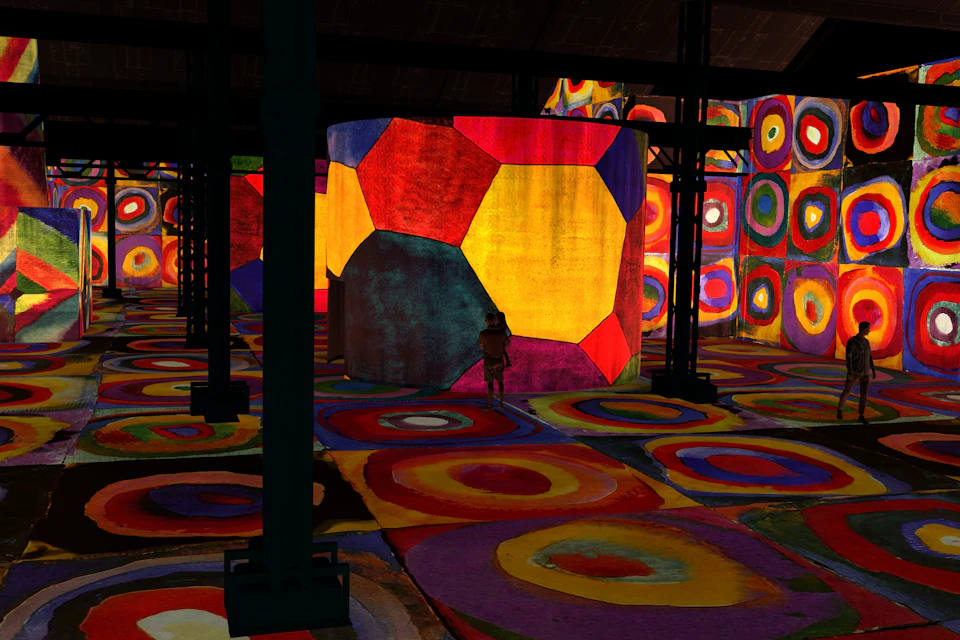
Atelier des Lumières | A former industrial space transformed into an immersive art centre, worth visiting for large-scale projections rather than traditional galleries. Cirque d’Hiver | One of Paris’s most distinctive historic circus venues, still associated with performances and the neighbourhood’s theatrical energy.
Place de la République | A broad, civic square on the edge of the arrondissement, known for its monument, demonstrations and everyday city life.
Where to stay
Housing in the 11th arrondissement ranges from practical budget stays to stylish boutique hotels and a smaller selection of higher-end properties. The area is a good fit for travellers who care more about location, atmosphere and easy access to nightlife than grand entrances or historic interiors.
You will find both larger hotel chains and independent boutique hotels, with the latter often reflecting the neighbourhood’s lively, urban character.
For the best balance, look for a well-connected street slightly away from the busiest nightlife areas. Around Bastille and Oberkampf, evening noise can be part of the experience, while the more residential sections offer a calmer stay without losing access to cafés, restaurants and public transport.
Premium options are available, but the arrondissement is strongest for mid-range and design-conscious stays rather than traditional luxury.
Dining
The 11th arrondissement has one of Paris’s most varied and informal dining scenes. Alongside traditional French bistros and neighbourhood cafés, you’ll find strong Asian, North African, Middle Eastern and vegetarian influences, as well as bakeries, wine bars and market-style food counters.
Food-court and counter-service formats are useful for a quick lunch or an early meal, usually in the €10–18 range. Casual restaurants generally suit relaxed dinners, with a typical spend of around €20–35 per person before drinks.
Lunch service is usually concentrated around midday, while dinner starts later, often from about 7pm. Many kitchens finish service around 10pm or 10.30pm, though bars and some busier places stay open later, especially around Bastille and Oberkampf.
The arrondissement also has more ambitious restaurants and tasting-menu formats, where a meal can easily exceed €60 per person, but its strongest side remains social, flexible and reasonably approachable rather than formal.
Shopping
Shopping in the 11th arrondissement is mostly local and independent rather than department-store driven.
The liveliest streets for browsing include Rue Oberkampf, Rue de Charonne and Rue du Faubourg Saint-Antoine, with small fashion boutiques, design shops, homeware stores, bookshops and food businesses mixed into the everyday streetscape.
There is no major shopping centre defining the district, which suits anyone who prefers individual shops to large retail complexes.
Markets are a stronger part of the local shopping scene. The markets around Boulevard Richard-Lenoir, including Marché Bastille and Marché Popincourt, are useful for fresh produce, cheese, meat, prepared food and other everyday purchases.
Around Bastille, Oberkampf and Rue du Faubourg Saint-Antoine, you will also find places aimed at visitors, but the 11th is not primarily a souvenir-shopping district.
Practical tips
Clothing | Choose comfortable shoes for long walks and dress in layers for evenings, when the streets around Bastille and Oberkampf can stay lively
Money | Keep a card handy, but carry a small amount of cash for occasional small purchases
Queues | Popular cafés, restaurants and concert venues can fill up quickly, especially in the evening; arrive early if you have a fixed plan
Common mistake | Do not book the 11th arrondissement expecting quiet or classical Paris right outside your door; choose a calmer side street if you are sensitive to noise
Safety
The 11th arrondissement is generally safe during the day, with a busy local atmosphere and plenty of people on the streets. The main risks are typical of central Paris: pickpocketing in crowded places, bag or phone snatching, and occasional nuisance around busy transport stops, bars and nightlife areas.
At night, the liveliest streets around Bastille and Oberkampf can be noisy and disorderly rather than dangerous. Take normal precautions when leaving bars or walking alone late, especially around crowded terraces and transport hubs.
Quieter residential streets may feel less comfortable after midnight, but the arrondissement is not generally considered a no-go area.
Photo spots
Place de la Bastille | Early morning or blue hour | The Colonne de Juillet, broad traffic circles and the contrast between historic façades and busy city life
Rue Oberkampf | Late afternoon | Café terraces, painted façades, street signs and the neighbourhood’s lively first floors
Rue de Charonne | Morning | Long perspectives, local shops, understated residential façades and the everyday rhythm of the 11th arrondissement
Atelier des Lumières area | Late afternoon | Industrial façades, wide pavements and changing light around this former factory setting
Nearby neighborhoods
From the 11th arrondissement, it is easy to continue towards the Marais and Place des Vosges, with their older streets and quieter courtyards, or north to Canal Saint-Martin and République for a different urban rhythm.
Belleville and Père-Lachaise are also close by, offering hillier streets, multicultural food spots and a more local atmosphere. Bastille makes a natural starting point for exploring the eastern side of central Paris.
Area pros
A lively base for experiencing everyday Paris beyond the postcard centre
Excellent choice for bars, cafés, small restaurants and live music
Strong connections to Bastille, the Marais, République and other central districts
A good balance of local residential life and energetic evening streets
Varied architecture and former working-class streets give the area a distinctive urban character
Area cons
Evening noise can be hard to avoid, especially around the Bastille and Oberkampf
Dense streets and limited open space may feel tiring over time
The architecture is uneven, with some areas feeling plain or rough rather than picturesque
The lively nightlife can bring crowds, late-night activity and less privacy
Not the best fit for those seeking quiet streets or classic Parisian elegance right outside the door