3rd Arrondissement (Le Marais)
The 3rd arrondissement is the quieter, more intimate side of the Marais: a central Paris district of historic mansions, old streets, small museums, galleries, independent shops and cafés. It suits travellers who want to walk almost everywhere, mix cultural stops with everyday city life and explore without a fixed itinerary. Its main trick is what lies beyond the understated façades: discreet passages, peaceful courtyards, gardens and tucked-away spaces that can transform the mood of a busy street.
Attractions in this area
3 places we cover here.
Musée Carnavalet – Histoire de Paris turns the city into a readable story, using rooms, signs, maps, portraits, furniture, and everyday objects rather than a si...
Housed in the grand 17th-century Hôtel Salé, this museum offers an intimate look at Pablo Picasso’s personal collection and sculptures within the Marais distric...
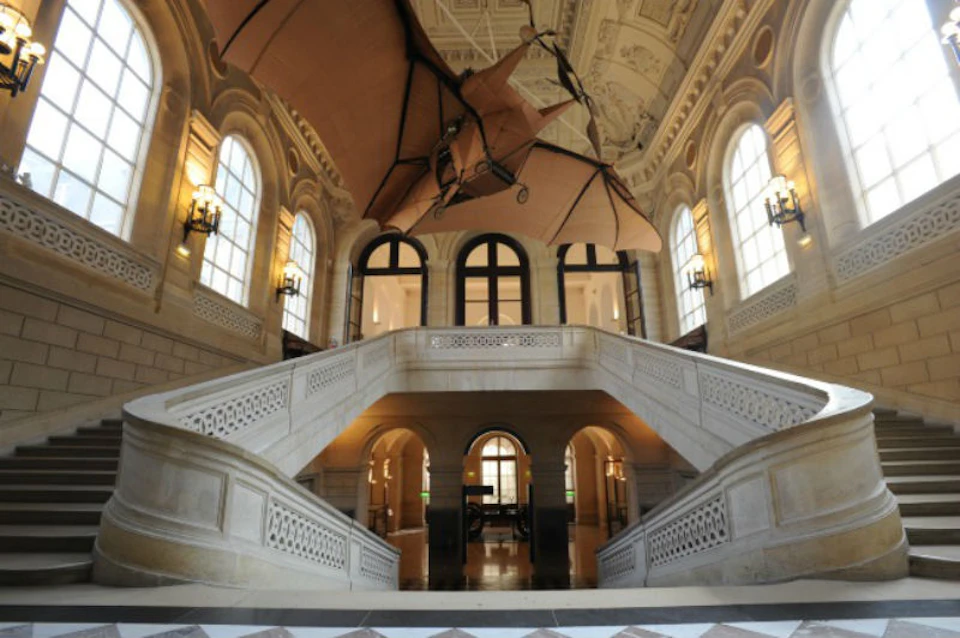
Housed in the medieval priory of Saint-Martin-des-Champs, this institution serves as Europe’s oldest repository of industrial innovation. It suits travelers who...
The 3rd arrondissement is the more intimate, quieter side of the Marais, where Paris feels less like a backdrop for a walk and more like an ordinary city to live in. It is easy to move through without a fixed route: turn onto an old street, browse a small shop, stop at a café and discover a gallery or museum you had not planned to visit.
The architecture is defined by historic townhouses, restrained façades and details best noticed at close range. Behind closed doors and understated entrances, quiet courtyards, gardens and small cultural spaces can change the mood of the street completely.
The pace is unhurried but not sleepy. Days bring a steady flow of pedestrians, shoppers and visitors, while the evenings are calmer than in the livelier parts of the Marais. The main appeal is the contrast between the compact urban setting and the pockets of stillness hidden within it.
This is a district for walking, looking closely and letting the city reveal itself gradually. Its streets feel lived-in rather than staged, with culture woven into everyday routines instead of separated into one clearly defined museum quarter.
Atmosphere
The 3rd arrondissement has a close-grained, historic feel: elegant townhouses, restrained façades, carved doorways and old stone details line streets that often narrow into quieter passages.
The most interesting spaces are easy to miss, with courtyards, gardens and galleries hidden behind heavy doors or understated entrances. Around the main streets, daily life unfolds between small shops, cafés, museums and neighbourhood services rather than around one dominant landmark.
In the evening, the area becomes calmer without turning silent. You hear conversations spilling from cafés, cutlery, footsteps on paving stones and the occasional hum of a passing scooter.
The streets bring together local residents, gallery-goers, museum visitors, couples out for dinner and travellers walking between the 3rd and the rest of Le Marais. It feels lived-in and urban, with enough activity to stay engaging but little of the late-night intensity found elsewhere in Paris.
How to get there
Charles de Gaulle Airport | RER B to Châtelet–Les Halles, then walk or take a short metro ride; 45–60 min, €14. A taxi to the 3rd arrondissement usually takes 40–75 min and costs €56. Orly Airport | Metro line 14 to Châtelet, then walk; 35–45 min, €14. A taxi takes about 30–60 min and costs approximately €44.
Châtelet–Les Halles and central Paris | Walk towards Hôtel de Ville and Arts et Métiers, or use the metro; 10–20 min, from free on foot to €2.55 by metro. The Louvre Museum | Walk through the 1st arrondissement towards the Marais; around 20–25 min, free. By bus or metro, allow 20–30 min and about €2.05–€2.55.
Notre-Dame | Walk across the Île de la Cité and along the Seine; around 20–25 min, free. By bus or metro, allow 20–30 min and about €2.05–€2.55.
Getting around
Walking is the easiest way to move around the 3rd arrondissement. The area is compact, and its old streets, courtyards, galleries and cafés are often more interesting than the main route.
The downside is the dense urban layout: pavements can be narrow, streets busy during the day, and historic buildings are not always easy to navigate with luggage or a pushchair.
The metro is useful for longer hops, with stations such as Arts et Métiers, Temple, République and Filles du Calvaire serving the area and its edges. Taxis and taxi apps are practical when carrying bags or travelling late, but cars can be slowed by traffic and are less convenient on narrow streets.
For most local journeys, walking is faster and simpler than taking a car.
Best time to visit
The best time to explore the 3rd arrondissement is on a weekday morning, when the old streets, courtyards and small museums feel at their calmest. Late afternoon is also good for combining galleries, shops and cafés with a slower walk through the Marais.
Spring and early autumn offer the most comfortable conditions for walking. In summer, avoid the hottest hours and expect busier streets on weekends.
Top attractions in this area
Musée Picasso-Paris | A major collection of Picasso’s work in the Hôtel Salé, one of the Marais’s most impressive historic mansions. Musée Carnavalet – History of Paris | A museum tracing the history of Paris through period rooms, artworks and everyday objects.
Musée des Arts et Métiers | A fascinating museum of science, technology and inventions housed in a former monastery. Marché des Enfants Rouges | Paris’s oldest covered market, known for its food stalls and casual places to eat.
Hôtel de Soubise and the National Archives | An elegant historic residence and archive complex with richly decorated interiors and changing exhibitions.
Where to stay
Where to stay in the 3rd arrondissement is mostly about atmosphere rather than convenience features. The area has a stronger boutique-hotel presence than a large-chain one, with small design hotels and guesthouses often set in historic buildings.
Some offer a polished premium experience, while simpler properties can suit travellers who value location and character over spacious rooms or extensive facilities.
For the best balance, look for accommodation on a quieter side street rather than directly on a busy shopping route. Budget options are limited compared with less central parts of Paris, and even modest rooms may feel compact because of the old building stock.
At the upper end, expect refined interiors, a more attentive level of service and the appeal of staying in a carefully restored historic setting rather than resort-style amenities.
Dining
The 3rd arrondissement has a compact, varied dining scene built around cafés, bakeries, small bistros and independent food counters rather than large restaurant strips. The Marché des Enfants Rouges is the closest thing to a food court: several stalls offer quick lunches and informal meals, with a daytime focus.
Casual dining ranges from traditional French dishes to Mediterranean, Middle Eastern and Asian-inspired food, often in small, relaxed rooms. A simple café meal or market lunch is usually the most affordable option, while a sit-down dinner generally falls into the mid-range, around €20–40 per person before drinks.
The area is liveliest at lunchtime and in the early evening. Many cafés serve continuously through the afternoon, but smaller restaurants may close between lunch and dinner, and some are not open every day.
Fine dining is present but not the defining feature of the neighbourhood; the 3rd is better suited to thoughtful bistros and intimate restaurants than formal gastronomic occasions.
Expect higher prices for ambitious menus, roughly €50 or more per person, while bakeries, takeaway counters and casual cafés make it easy to eat well without planning far ahead.
Shopping
Shopping in the 3rd arrondissement is centred on independent boutiques rather than large shopping centres.
Around Rue de Bretagne, Rue de Charlot and Rue du Temple, you will find small fashion labels, jewellery shops, homeware stores, design boutiques, vintage shops and galleries, often tucked into historic buildings rather than arranged in a single retail zone.
For a more local market atmosphere, explore the Marché des Enfants Rouges, one of the oldest covered markets in Paris. It is mainly known for food, but it adds to the area’s everyday neighbourhood feel and works well as a stop during a shopping walk.
The 3rd arrondissement is best for browsing slowly and discovering small addresses, not for department-store shopping or souvenir hunting.
Practical tips
Clothing | Wear comfortable shoes and layers: the area is best explored on foot, with uneven pavements and frequent stops indoors
Money | Keep a bank card and a little cash handy; small cafés and independent shops may have different payment preferences
Queues | Book or check museum entry requirements in advance, especially for smaller cultural sites with limited capacity
Common mistake | Staying only on the main streets: look for courtyards, passages, gardens and quieter side streets behind the façades
Safety
The 3rd arrondissement is generally safe during the day and suitable for walking, including around the historic streets, museums, galleries and cafés. The main everyday risk is petty theft, especially pickpocketing in crowded areas, on busy streets and on public transport. Keep valuables secure and avoid leaving phones or bags unattended on café tables.
At night, the neighbourhood is usually calm rather than deserted. The busier streets remain easy to navigate, while some courtyards, side lanes and quieter stretches may feel empty later in the evening. Use ordinary city precautions, stay aware of your surroundings and prefer well-lit routes when returning late.
Photo spots
Hôtel de Soubise and the National Archives courtyards | Morning, before the area gets busy | Classical façades, carved details and quiet historic courtyards
Musée Picasso Paris | Late afternoon | The Hôtel Salé façade, entrance courtyard and warm stone catching the evening light
Square du Temple–Elie Wiesel | Early morning or golden hour | Tree-lined paths, lawns and the contrast between greenery and surrounding Haussmannian buildings
Rue de Bretagne and Marché des Enfants Rouges | Morning | Market stalls, café terraces and everyday neighbourhood life along the old street
Rue du Perche and Rue Charlot | Early morning | Calm Marais streets, elegant façades, shutters and long perspective lines with very little traffic
Nearby neighborhoods
From the 3rd arrondissement, it is easy to continue into the 4th arrondissement for the rest of the Marais, the Seine and historic Paris around Hôtel de Ville. Walk west towards the 2nd and 1st arrondissements for covered passages, Les Halles and the Louvre, or head north to the 10th and east to the 11th for canals, cafés and a livelier local atmosphere.
Area pros
A central base for exploring the Marais and nearby parts of Paris on foot
Historic mansions, old streets and understated architectural details
Small museums, galleries, independent shops and cafés woven into everyday neighbourhood life
Quiet courtyards, gardens and hidden passages behind seemingly ordinary façades
A calmer, more residential feel than the liveliest parts of the Marais
Area cons
Daytime crowds can make the popular streets feel busier than the word “quiet” suggests
Historic buildings often mean small rooms, narrow staircases and awkward layouts
The dense urban fabric may feel cramped if you prefer space, open views or wide streets
Evenings are relatively restrained, so nightlife seekers may find the area too subdued