1st Arrondissement (Louvre — Tuileries)
The 1st arrondissement is Paris in its grand, museum-led form: the Louvre, the Tuileries Garden, the Seine embankments, monumental squares and elegant shopfronts all sit within easy walking distance. It suits first-time visitors, culture-focused weekends and anyone who wants to build each day around architecture, museums and long promenades rather than public transport. Its main trick is timing: step away from the busiest routes, return early in the morning or near evening, and the ceremonial centre becomes surprisingly calm.
Attractions in this area
6 places we cover here.
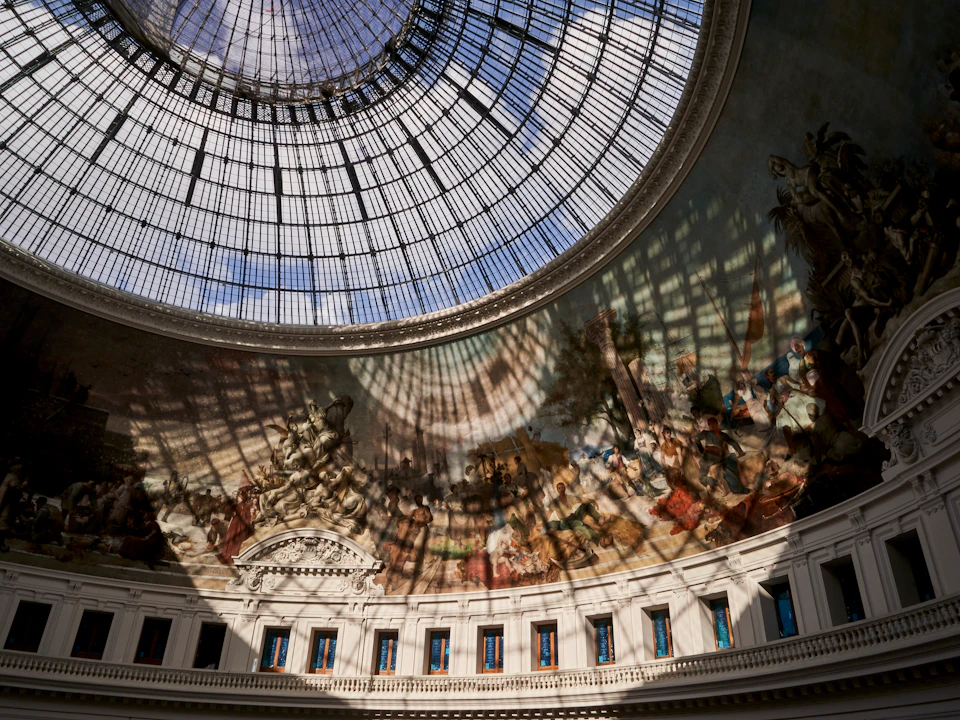
Housed inside a former stock exchange, the Bourse de Commerce pairs a 19th-century glass dome with a massive concrete cylinder designed by Tadao Ando. This stri...
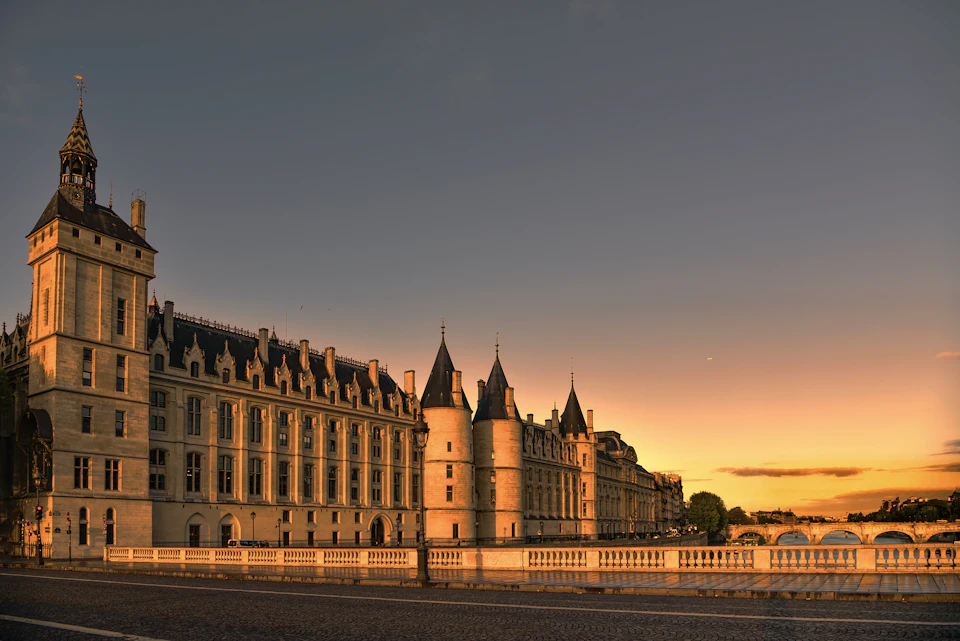
Once a medieval royal palace, the Conciergerie is best known as the central prison of the French Revolution where Marie Antoinette awaited execution. Because fe...
Palais-Royal offers a quieter pause beside the Louvre, with formal gardens, elegant arcades and contemporary art in a central Paris setting. It suits travelers ...
The Louvre is less a single museum visit than a walk through royal rooms, ancient sculpture, and canonical paintings, with the appeal split between major icons ...
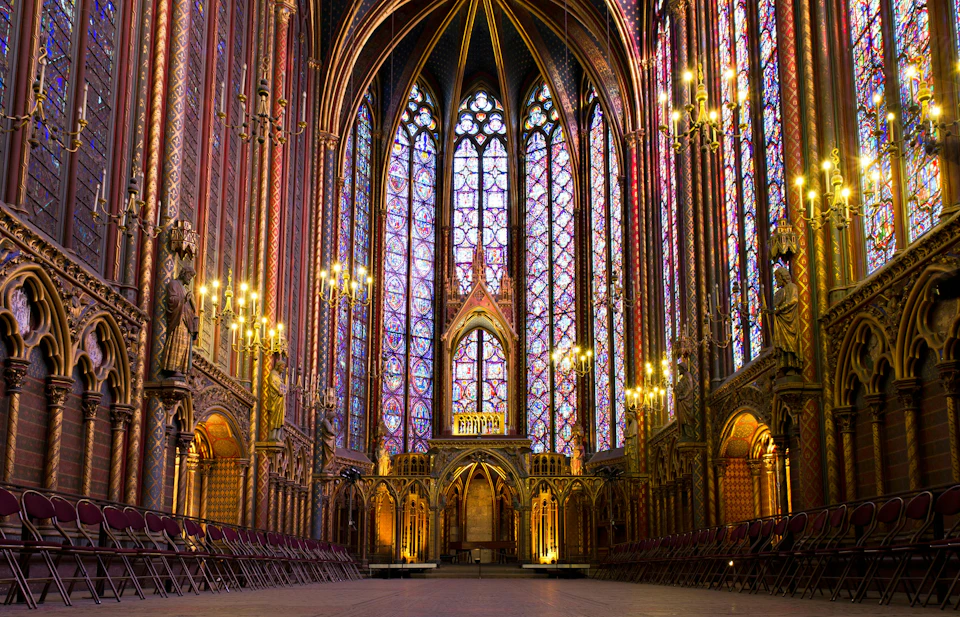
Sainte-Chapelle is a compact royal Gothic chapel on Île de la Cité, visited above all for its upper chapel: 15-metre stained-glass windows wrapping the room in ...
Musée de l’Orangerie is a compact, focused stop in the Tuileries, best for seeing Monet’s Water Lilies in the calm setting they were designed for, then adding a...
This is a district for long, deliberate walks rather than quick local errands. The Louvre, the Tuileries Garden, the Seine and the Place de la Concorde form a sequence of grand spaces, with arcades, courtyards and quieter streets offering occasional breaks from the main flow.
The area feels composed and open, with fewer of the intimate corners found in Paris’s more residential neighbourhoods.
By late afternoon, the mood becomes calmer. The crowds thin out around the gardens and river, shopfronts begin to close, and the monumental setting takes over. Walking here can feel almost cinematic, especially when the light falls along the façades and the city’s landmarks line up in a single route.
The 1st arrondissement is polished, central and intensely connected to Paris’s history. It is not the place for an unplanned neighbourhood life at every turn, but it works beautifully as a base for museums, architecture and slow movement through the city. Its best moments come when you leave the busiest paths and let the grand centre unfold at its own pace.
Atmosphere
The 1st arrondissement has a formal, monumental character: pale stone façades, long straight perspectives, grand courtyards and open spaces designed to frame the city.
Around the Louvre and Tuileries Garden, the streets feel more like part of a historic ensemble than an ordinary neighbourhood, with arcades, museum walls, elegant shopfronts and views stretching towards Place de la Concorde and the Seine.
During the day, you mostly meet museum visitors, sightseers, shoppers and people crossing the centre on foot. By evening, the crowds thin around the gardens and embankments, leaving the sound of footsteps, traffic and occasional conversations from terraces.
The atmosphere becomes calmer and more spacious, though still polished rather than local, with the grand architecture remaining the main presence after the shops close.
How to get there
Charles de Gaulle Airport | RER B to Châtelet–Les Halles, then walk towards the Louvre; around 45–60 minutes, €14. A taxi to the Right Bank takes roughly 35–60 minutes and costs €56. Orly Airport | Metro Line 14 directly to Châtelet, followed by a short walk; around 25–35 minutes, €14.
A taxi usually takes 25–45 minutes and costs €45. Gare du Nord | Metro Line 4 to Châtelet, then walk to the Louvre or Palais Royal; around 15–20 minutes, €2.55. Notre-Dame and the Marais | Walk across the Seine or through the streets towards the Louvre; around 15–30 minutes, free.
The Eiffel Tower and Champs-Élysées | Metro Line 1 from Franklin D. Roosevelt towards Châtelet, then walk; around 25–35 minutes, €2.55.
Getting around
Walking is the easiest way to move around the 1st arrondissement. The Louvre, Tuileries Garden, the Seine and Place de la Concorde are connected by long, attractive routes, but the distances can be tiring, especially after a museum visit. The area is not difficult to navigate, although large squares and busy tourist zones can slow you down.
The metro is useful when you want to cross the district quickly or continue to another part of Paris, with convenient access around the Louvre, Tuileries and Place de la Concorde.
Taxis and ride-hailing apps are practical with luggage or late in the evening, but traffic around the Louvre, the Seine and major avenues can make short journeys surprisingly slow.
Best time to visit
The best time to explore the 1st arrondissement is early in the morning, when the Louvre, the Tuileries Garden and the Seine quays are at their calmest. Late afternoon and early evening also bring softer light and thinner crowds, especially along the long route from the Louvre towards Place de la Concorde.
Spring and autumn are the most comfortable seasons for walking. In summer, avoid the hottest hours and, if possible, peak weekend afternoons.
Top attractions in this area
Louvre Museum | One of the world’s great museums, ideal for a full day of art, history and iconic interiors. Tuileries Garden | A formal historic garden linking the Louvre with Place de la Concorde, made for a long walk or a quiet break by the fountains.
Seine riverbanks | Scenic waterfront paths with views of bridges, historic façades and some of Paris’s best central walking routes. Place de la Concorde | A vast ceremonial square at the eastern end of the Champs-Élysées, known for its grand scale and open perspectives.
Palais Royal | An elegant former royal complex with arcades, gardens and a calmer atmosphere just north of the Louvre.
Where to stay
Housing in the 1st arrondissement is mostly aimed at visitors who value location over space. You will find everything from large international hotel chains and polished four-star properties to smaller boutique hotels in historic buildings.
The premium segment is especially visible around the Louvre, the Tuileries Garden and the major shopping streets, while more affordable options tend to be limited and may come with smaller rooms, less character or a less central position.
When choosing where to stay, focus on the exact street rather than the arrondissement alone. A room near the Louvre or Tuileries puts the main sights within easy reach but can feel busy during the day and expensive year-round.
For a quieter stay, look toward the residential edges of the district, while still checking walking times to the Seine and the sights you plan to visit. Expect to pay for the address, and treat generous room size as a bonus rather than a standard feature.
Dining
The dining scene in the 1st arrondissement is shaped by its central, high-traffic location. Around the Louvre, Tuileries and Les Halles, you will find bakeries, cafés, crêperies, brasseries and casual restaurants suited to a quick lunch between museums or an early dinner before an evening walk.
Food courts and covered market-style venues offer more choice and flexible formats, while cafés tend to serve breakfast, coffee, pastries and light meals from morning through late afternoon.
Prices are usually above the Paris average, especially near the major sights, though a simple bakery meal or casual lunch remains possible.
The more formal side of the district is concentrated around the Palais Royal, Rue Saint-Honoré and the grand hotels, with polished French cooking, tasting menus and fine dining rooms designed for long lunches or dinners.
Expect higher checks, especially in refined restaurants and hotel dining rooms, while brasseries and casual dining are more manageable but still rarely cheap.
Service often follows traditional Parisian hours, with a pause between lunch and dinner; cafés and bakery counters are the safest choice outside the usual meal times.
Shopping
Shopping in the 1st arrondissement is concentrated around Rue de Rivoli, Rue Saint-Honoré and Les Halles. Carrousel du Louvre offers a convenient mix of fashion, gifts, beauty and food below the Louvre, while La Samaritaine brings together luxury brands, design and department-store shopping near the Seine.
The area around Place Vendôme is the address for high-end jewellery and watch boutiques.
For more accessible browsing, head towards Les Halles and the shops along Rue de Rivoli. You will find international chains, cosmetics, fashion and plenty of souvenir shops near the Louvre and Tuileries Garden, though prices tend to reflect the central location.
The best choice is to combine shopping with a walk: the streets become more varied as you move away from the museum entrances and the busiest tourist routes.
Practical tips
Clothing | Wear comfortable shoes and dress in layers: the 1st arrondissement is best explored on foot, and the open spaces around the Louvre and Tuileries Garden can feel windy or exposed
Money | Cards are widely accepted, but keep a small amount of cash for cafés, kiosks and minor purchases; expect higher prices around major sights
Queues | Book the Louvre in advance when possible and arrive early; avoid planning your entire day around walk-in entry during busy periods
Distances | Do not underestimate the walk from the Louvre through Tuileries Garden to Place de la Concorde and the Seine
Common mistake | Staying only on the busiest routes; explore early in the morning or towards evening, when the area feels calmer and more spacious
Safety
The 1st arrondissement is generally safe during the day and early evening, with a strong public presence around the Louvre, the Tuileries Garden and the main avenues. The main risk is petty theft rather than violent crime: keep an eye on your phone, wallet and bag in crowded museum queues, busy pedestrian areas and on public transport.
At night, the central routes remain easy to navigate, but some streets and large spaces become noticeably quieter after the museums and shops close. Stay aware of your surroundings, avoid leaving valuables visible and use the same basic precautions as elsewhere in central Paris.
Photo spots
Cour Carrée of the Louvre | early morning | the symmetrical palace façades and quiet stone courtyard
Tuileries Garden near the central axis | late afternoon | long avenues, clipped trees, fountains and the Louvre in the distance
Pont des Arts | around sunset | the Seine, the Louvre’s riverfront façade and the city skyline
Place de la Concorde | blue hour | the obelisk, fountains and the grand perspective towards the Tuileries Garden and Champs-Élysées
Nearby neighborhoods
From the 1st arrondissement, walk east into Le Marais for smaller streets, boutiques and a more lived-in atmosphere. Cross the Seine towards Saint-Germain-des-Prés for galleries, cafés and elegant streets, or continue to the Latin Quarter for a livelier, more student-oriented side of central Paris.
Westward, the Champs-Élysées and Madeleine offer grand avenues, department stores and a polished shopping scene.
Area pros
Louvre, Tuileries Garden and the Seine are all within easy reach
Ideal for building a first Paris itinerary around major sights and museums
Beautiful walking routes through historic squares, grand avenues and riverbanks
Easy to explore on foot, with little need for public transport
A polished, central setting that makes short trips feel especially convenient
Area cons
Crowds around the Louvre, the Tuileries Garden and the Seine can make the area feel hectic
Accommodation, cafés and shopping are among the most expensive in Paris
The grand setting can feel formal and less residential than other central districts
Some streets become quiet in the evening, with fewer casual places to linger
The district suits walkers better than those who prefer short distances and a slower pace