7th Arrondissement (Eiffel Tower)
The 7th arrondissement is the grand, composed side of Paris, shaped by the Eiffel Tower, Champ de Mars, the Seine and major museums. It suits first-time visitors, families and travellers who value monuments, generous views, green spaces and easy central walks over nightlife. Its main trick is the rapid change of mood: the streets around the Eiffel Tower can be crowded and intensely touristy, while a few turns away, elegant residential quarters feel quiet, private and almost intimate.
Attractions in this area
5 places we cover here.
Hôtel des Invalides is a layered historic complex where Paris turns military power into architecture, ceremony, and memory: formal courtyards, the golden dome, ...
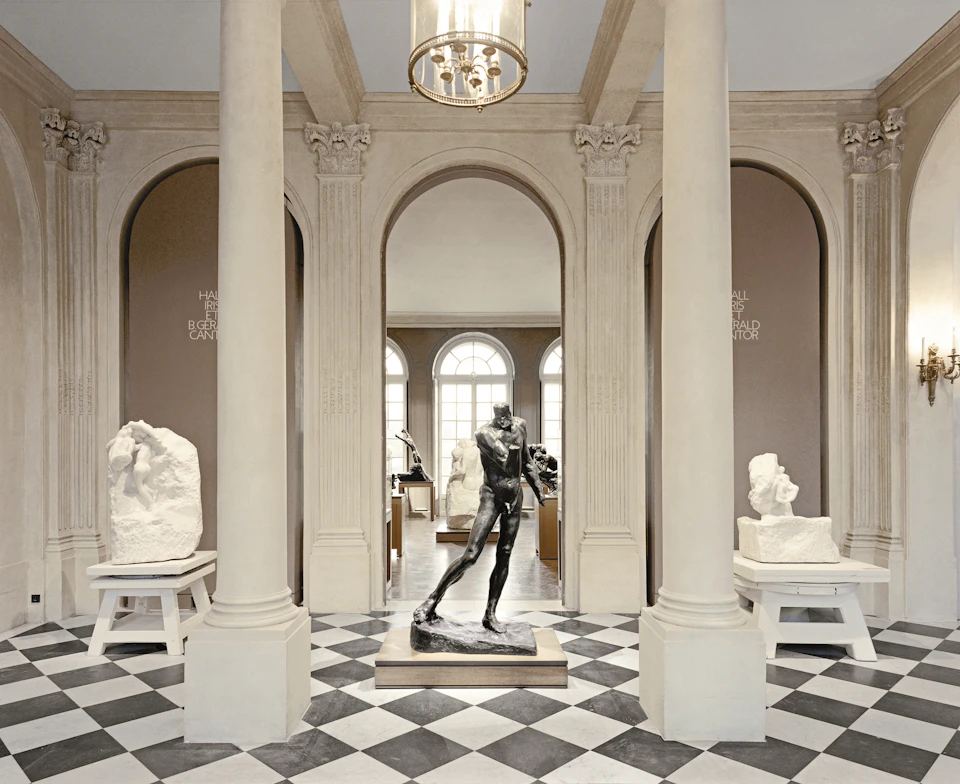
Musée Rodin is a calm, focused alternative to Paris’s larger museums: an 18th-century mansion in the 7th arrondissement paired with a sculpture garden where The...
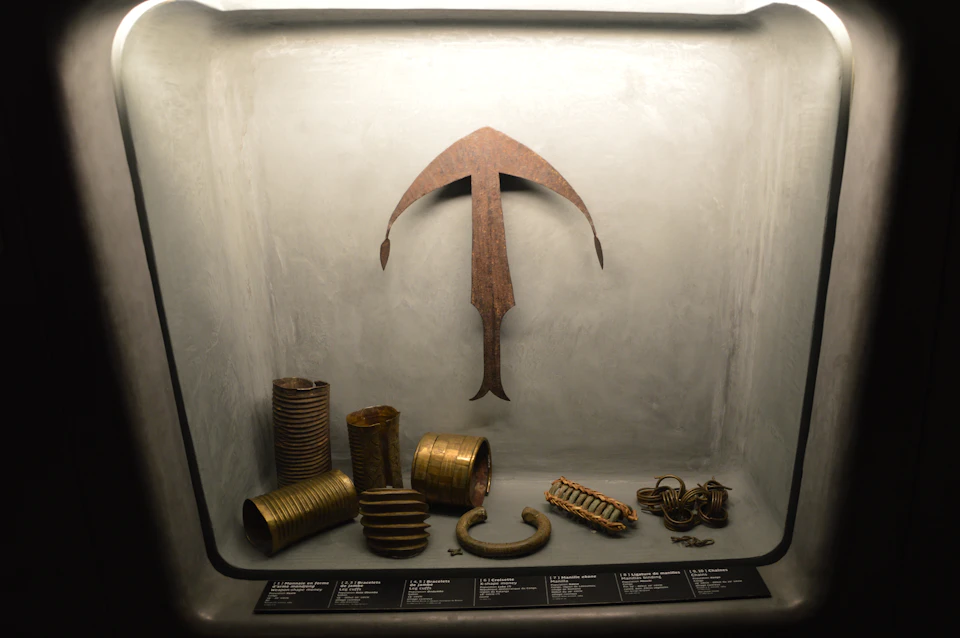
Designed by Jean Nouvel and featuring a lush vertical garden, the Musée du Quai Branly - Jacques Chirac houses an extensive collection of indigenous art and art...
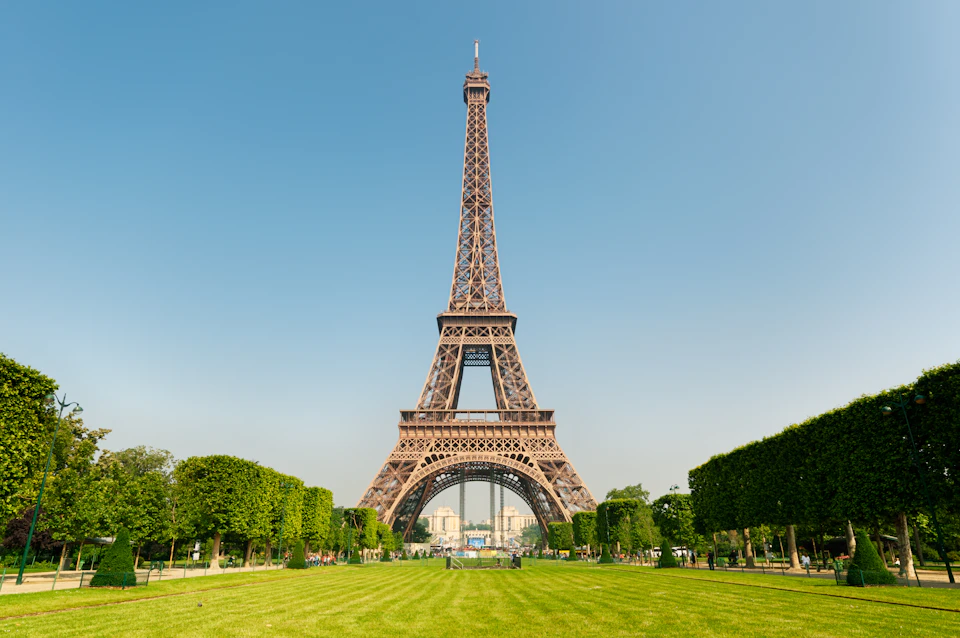
The Eiffel Tower is Paris’s clearest panoramic experience: you come for the sweep over the city, the sense of climbing a historic structure, and the evening atm...
Musée d’Orsay gives you one of Paris’s most rewarding painting-focused visits: Impressionist and Post-Impressionist masterpieces by Van Gogh, Monet, and Renoir ...
The 7th arrondissement is grand and spacious, with broad perspectives, formal façades and a sense of scale that few Paris neighbourhoods can match.
The Eiffel Tower sets the rhythm of the area, while Champ de Mars brings open space into the middle of the city: people walk here in the morning, meet friends during the day and linger in the evening as the light changes over Paris.
The architecture shifts between monumental institutions, elegant apartment buildings and quiet residential streets lined with expensive façades. Large museums, diplomatic buildings and the banks of the Seine give the arrondissement the feel of an open-air exhibition rather than an ordinary residential district.
Around the Eiffel Tower, the pace is busy and heavily shaped by visitors. A few streets away, the atmosphere becomes calmer and more restrained, with polished shops, discreet entrances and a distinctly residential mood. The contrast is part of the neighbourhood’s character: spectacular at its centre, almost private at its edges.
Evenings are generally quiet, especially away from the main sights. The 7th arrondissement suits long walks, museum afternoons and slow dinners more than spontaneous nightlife, with the city’s livelier bars and music venues found elsewhere.
Atmosphere
The 7th arrondissement feels formal, spacious and carefully composed. Monumental buildings, elegant residential façades and diplomatic streets frame long views towards the Eiffel Tower, while the Champ de Mars and the Seine keep the district open and airy.
Around the main landmarks, the streets fill with visitors, families, photographers and organised tour groups; a few blocks away, the mood becomes quieter, with local residents, museum-goers and people walking home through polished, restrained surroundings.
In the evening, the Eiffel Tower draws the crowds and the district’s broad avenues stay lively with conversation, cameras and passing traffic. Along the Seine and the Champ de Mars, people pause for the changing light, meet friends or take slow walks beneath the city’s illuminated monuments.
Later, the atmosphere turns composed rather than nocturnal: you hear footsteps, the occasional restaurant terrace and the steady movement of the city, but not the energy of a late-night neighbourhood.
How to get there
Charles de Gaulle Airport | RER B to Saint-Michel–Notre-Dame, then RER C to Champ de Mars–Eiffel Tower; 55–70 min, €14. A taxi takes about 45–75 min and costs roughly €65–70 to the Left Bank. Orly Airport | Metro line 14, then a central Paris connection towards the 7th arrondissement; 35–50 min, €14.
A taxi takes about 30–50 min and costs roughly €36–40 to the Left Bank. Central Paris, including the Louvre Museum and Châtelet | Metro or RER C towards Invalides, Champ de Mars–Eiffel Tower or École Militaire; 15–30 min, €2.55.
Arc de Triomphe and Trocadéro | Metro line 6 to Bir-Hakeim or line 9 to Trocadéro; 10–20 min, €2.55. Invalides and the Musée d’Orsay | Walk 10–25 min, or take RER C for a few minutes; €2.55 by public transport.
Getting around
Walking is the easiest way to explore the 7th arrondissement, especially between Eiffel Tower, Champ de Mars, Les Invalides, the Seine and the main museums. Distances can look short on a map but feel longer because of wide avenues and large open spaces.
The streets around Eiffel Tower are often crowded, while the residential lanes farther away are calmer but less direct.
For longer trips, use the metro: École Militaire and La Tour-Maubourg are convenient on line 8, while Varenne and Invalides connect with line 13; Invalides also serves RER C. Taxis and taxi apps are useful with luggage or late at night, but traffic around Eiffel Tower and the Seine can be slow, and finding a clear pick-up point is not always easy.
Best time to visit
The best time to explore the 7th arrondissement is early morning, when the Eiffel Tower and Champ de Mars are calmer and the light is especially good for photographs. Late afternoon is ideal for walking towards the Seine and watching the district shift into evening.
Spring and autumn offer the most comfortable conditions. In summer, avoid the hottest part of the day and expect larger crowds at weekends, especially around the tower.
Top attractions in this area
Eiffel Tower | Paris’s defining landmark, offering unforgettable city views and a spectacular sense of the capital’s scale. Champ de Mars | A broad green esplanade beneath the Eiffel Tower, ideal for walks, picnics and open views across the city.
Les Invalides | A monumental complex housing the Army Museum and Napoleon’s tomb, combining military history with grand architecture. Musée d’Orsay | A former railway station turned museum, celebrated for its collection of Impressionist and Post-Impressionist art.
Musée Rodin | An intimate museum devoted to Auguste Rodin, with expressive sculptures displayed indoors and in a peaceful garden.
Where to stay
The 7th arrondissement is primarily a mid-range and premium hotel district, with large international chains alongside elegant boutique hotels in renovated historic buildings.
Rooms close to the Eiffel Tower, Champ de Mars and the Seine usually command a premium, especially when views, larger spaces or high-end service are involved. Budget options exist, but they are less common and may be found farther from the main monuments or in simpler properties.
When choosing where to stay, decide whether the view and immediate access to the Eiffel Tower matter more than a quieter setting. The streets around Champ de Mars are convenient but often busy and tourist-oriented, while areas nearer Invalides and the residential side streets feel calmer and more polished.
For a better balance between location and price, look for accommodation slightly away from the main sights, while keeping easy access to the Metro and central Paris.
Dining
The 7th arrondissement has a polished, traditional dining scene built around French brasseries, neighbourhood cafés, bakeries and restaurants serving classic dishes. Breakfast and coffee are easiest in the morning, while bakeries and casual counters work well for a quick lunch or picnic for Champ de Mars and the Seine.
Casual dining is generally mid-range to expensive, especially near the Eiffel Tower and the museum quarter; dedicated food courts and inexpensive street-food options are limited, so the area is less suited to spontaneous budget eating.
For a longer meal, expect elegant French restaurants, hotel dining rooms and fine-dining addresses with formal service, seasonal menus and a high average check.
Lunch is often the most practical time for a substantial meal, while dinner tends to be quieter and more expensive, with many places closing between service periods or operating mainly in the evening.
The streets around the Eiffel Tower are designed for visitors and can feel busy, whereas the residential side streets offer a more restrained café-and-brasserie rhythm.
Shopping
Shopping in the 7th arrondissement is more about elegant streets, food shops and market stalls than large shopping centres. Rue Cler is the main address for everyday browsing, with specialist food stores, bakeries, cafés and small shops in a lively pedestrian setting.
Around Rue de Grenelle and Rue de Bourgogne, the atmosphere becomes quieter, with independent boutiques, homeware shops and polished Parisian brands.
For a more substantial shopping stop, Le Bon Marché and La Grande Épicerie de Paris offer designer goods, beauty products, homeware and gourmet food in a refined department-store setting.
Around the Eiffel Tower, you will also find plenty of souvenir stalls and small shops selling postcards, miniature towers and other Paris-themed items, though the selection is more tourist-oriented than local.
Practical tips
Clothing | Wear comfortable shoes for long walks and bring an extra layer: the open spaces around Champ de Mars and the Seine can feel windy even when nearby streets are warm | Money | Carry a card and a small amount of cash for minor purchases, but avoid displaying valuables in crowded tourist areas | Queues | Book major museums and the Eiffel Tower in advance when possible; otherwise, expect longer waits at popular times | Common mistake | Do not stay only around the Eiffel Tower: the quieter streets and residential blocks nearby show a more elegant, less crowded side of the 7th arrondissement | Getting around | Allow more time than the map suggests, as wide avenues, security checks and crowded approaches can make short distances feel longer
Safety
The 7th arrondissement is generally considered a safe area for visitors, including families and solo travellers. During the day, the main risk is petty theft in crowded places, especially around the Eiffel Tower, Champ de Mars, busy viewpoints and public transport.
Keep phones, wallets and bags close, and be cautious with unsolicited approaches, petitions and street scams.
At night, the neighbourhood is usually calm and well maintained, but some streets become very quiet once the sightseeing crowds leave. Stick to well-lit routes, particularly when walking between the Eiffel Tower, the Seine and transport stops, and use normal precautions when returning late.
There is no reason to avoid the area, but its quieter atmosphere after dark calls for ordinary urban awareness.
Photo spots
Champ de Mars | Early morning | Eiffel Tower above the lawns, with fewer visitors and soft, even light
Rue de l’Université near the Eiffel Tower | Early morning or late afternoon | A classic street perspective with the tower framed between Parisian façades
Quai Branly along the Seine | Late afternoon | Eiffel Tower rising beyond the trees, river embankment and passing boats
Les Invalides | Golden hour | The gilded dome, broad esplanade and grand architectural axis in warm light
Nearby neighborhoods
From the 7th arrondissement, walk towards Invalides and the Esplanade des Invalides, or cross the Seine to explore the Grand Palais, Petit Palais and Champs-Élysées. Head east to Saint-Germain-des-Prés for cafés, galleries and bookshops, or continue towards the Latin Quarter for lively streets, historic landmarks and a more student-oriented atmosphere.
Area pros
Eiffel Tower, Champ de Mars and the Seine are all within easy walking distance
A clear, memorable setting that makes Paris easy to navigate on a first visit
Major museums, monuments and elegant streets create a rich sightseeing route nearby
Wide avenues, riverbanks and green spaces offer room for relaxed walks between attractions
Convenient for combining landmark visits with calm residential surroundings
Area cons
Crowds, street sellers and traffic around the Eiffel Tower can make the area feel hectic
Housing, cafés and everyday expenses are generally higher than in less central districts
The grand scale and formal atmosphere may feel impersonal or too quiet for some visitors
Limited nightlife means going elsewhere for independent bars, concerts and late evenings